
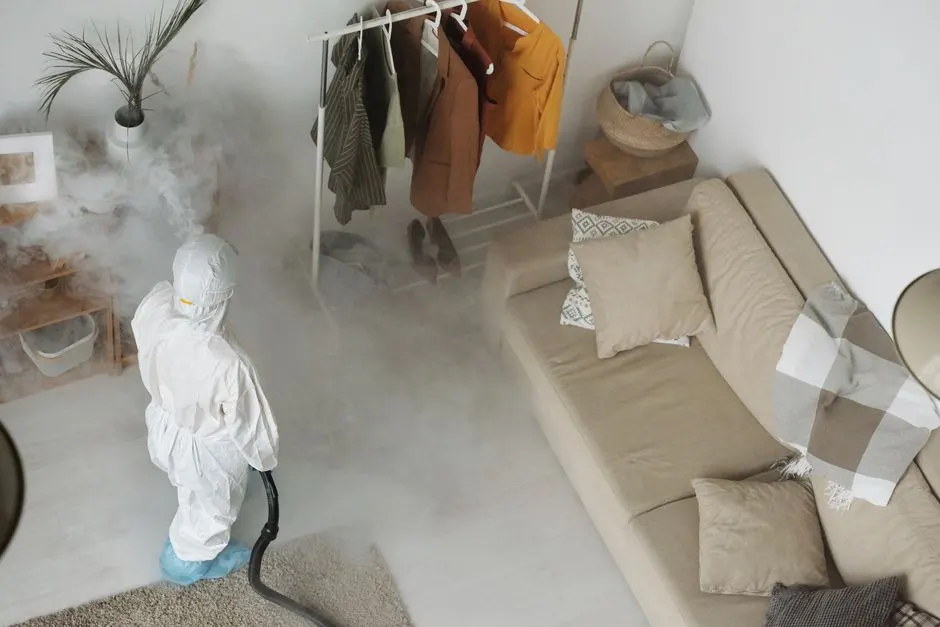
Full Pit And Float Inspection
We pull the lid, check float travel, test the on/off points, and look for debris or gravel that jams the switch. We also check the basin for cracks and the lid gasket for a proper seal.
Every sump pump installation and repair Philadelphia PA job starts with a full pit and discharge line inspection. From there we quote the repair or replacement in plain numbers. Here is what is covered on a standard visit, and what we treat as an add-on.
We pull the lid, check float travel, test the on/off points, and look for debris or gravel that jams the switch. We also check the basin for cracks and the lid gasket for a proper seal.
We run a boroscope down the discharge line to find clogs, ice, or crushed pipe. Then we clear the line and confirm water exits clean and away from the foundation, not back into the pit.
A failed check valve lets water drain back and short-cycles the pump. We replace it and clear the weep hole so the pump does not air-lock on restart.
If the motor is sound, we rebuild the switch and valve assembly. If the pump is 8 years or older or the motor is seized, we set a new submersible pump sized to your pit and lift height.
We test the dedicated outlet, check the cord for damage, and confirm the circuit is GFCI protected per code. A pump on an extension cord is a fire risk and a failed inspection waiting to happen.
We can add a battery backup pump that runs 7 to 8 hours on a charged marine battery. That covers the storm window when the power is out and your primary pump cannot run.
Sump pump installation and repair Philadelphia PA is the trade of setting, replacing, and rebuilding the pumps that pull groundwater out of your basement and crawl space before it reaches your slab. A proper install means cutting a pit at the low point of the floor, bedding a perforated basin in washed gravel, plumbing a check valve and discharge line, and wiring a dedicated GFCI circuit. Repair work covers the parts that fail first: float switches, impellers, check valves, and clogged discharge lines.
Philadelphia sits on a mix of tidal flat, clay, and old fill, so water tables here rise fast after a heavy rain. In neighborhoods like Eastwick, Grays Ferry, and Manayunk, we see basements flood within 30 minutes of a storm cell. If your pump is 8 to 10 years old, it is living on borrowed time. Our Philadelphia sump pump installation team sizes every pump to your actual pit volume and head height, not to a box-store guess.
Every job follows the same five steps, whether it is a new install in South Philadelphia or an emergency repair in Olney at 2 a.m.
Schedule
Call or book online — a real human picks up and confirms a 2-hour arrival window.
Diagnose
Licensed tech inspects on-site, then walks you through the cause and your options.
Fix
The job is completed to code and done right the first time — no shortcuts, no surprises.
Guarantee
Every job backed by a written workmanship warranty — and we stand behind it.
Boroscope
We run this camera down the discharge line to find clogs, ice, crushed pipe, or root intrusion without digging up the yard.
Moisture Meter
We check slab, framing, and drywall for hidden dampness after a pump failure. Readings above 15 percent mean the material needs drying.
Thermal Imaging Camera
This shows us cold spots behind walls and under floors where water is hiding, so we do not miss a secondary leak.
HEPA Vacuum
If mold has started around the pit or on nearby framing, we HEPA vacuum the surface before treatment to capture spores.
Negative Air Machine
On remediation jobs we set this to keep spores from spreading into the rest of the house while we work.
Dehumidifier
We run commercial dehumidifiers to pull basement and crawl space humidity down to 45 to 50 percent after water intrusion.
Fogger
We use a fogger to apply Benefect or Concrobium into tight cavities where a sprayer cannot reach, neutralizing odor and mold.
IICRC WRT drying standards
We follow IICRC WRT drying principles on every water intrusion job, which means we document moisture readings, set the right number of air movers, and verify dry standard before we close out.
Pump sizing by pit volume and head
We measure pit volume, vertical lift, and discharge run length before quoting a pump. That is how we avoid the short-cycling that kills store-bought pumps in two years.
GFCI and NEC-compliant wiring
Every pump we install runs on a dedicated GFCI circuit wired to NEC standards. We test the circuit and confirm the cord is protected, not run through an extension cord.
EPA Lead-Safe practices
On pre-1978 Philadelphia homes we follow EPA Lead-Safe work practices, which means containment, HEPA cleanup, and proper disposal of any disturbed material.
01
What we do: We set a new 1/3 HP submersible pump in the existing basin, replace the check valve, and clear the discharge line. The old stone pit is sound, so no liner is needed.
→ The pit cycles clean in under 90 seconds and the basement floor stays dry through the next storm. Total job time was 3 hours.
02
What we do: We extracted standing water, ran dehumidifiers for 3 days, and replaced the pump with a battery backup system. We also treated the bottom plate for mold.
→ The basement dried to below 15 percent moisture content, no mold growth, and the new backup pump covers future outages.
03
What we do: We installed a new sump pit and pump, laid a 10-mil vapor barrier over the soil, and set a commercial dehumidifier. We also removed moldy insulation.
→ Humidity dropped from 78 percent to 46 percent in 5 days, and the musty smell cleared. The homeowner now checks the pump every quarter.
04
What we do: We responded within 60 minutes, extracted water, set air movers, and installed a new pump with a high-water alarm. We documented everything with Xactimate for the insurer.
→ The server room stayed online, the basement dried in 48 hours, and the alarm gives the building manager early warning next time.
Philadelphia is not a flat, sandy city. Much of it sits on tidal flat, clay, and old fill, and the water table rises fast after a heavy rain. In Eastwick and Southwest Philadelphia, basements can take on water within 30 minutes of a storm cell. In Manayunk and Roxborough, hillside runoff adds to the load. Our sump pump service Philadelphia crews size every pump for those conditions, not for a generic suburban lot. We also deal with the city's older housing stock: stone foundations, original clay tile drains, and discharge lines that were buried decades ago and now freeze or collapse. If you search for affordable sump pump installation Philadelphia PA, we quote the full job before we start and do not add trip charges inside Philadelphia County. Our trucks carry spare pumps, check valves, and batteries so we can finish most jobs in one visit.
Fishtown
Many rowhouses here have original stone or brick pits that are still sound. We often keep the basin and replace only the pump and valve assembly.
Eastwick
Built on tidal flat, this neighborhood floods fast. We size pumps here on the high side and recommend battery backup as standard.
Chestnut Hill
Deeper basements and longer discharge runs mean we usually step up to a 1/2 HP pump to handle the extra head height.
Manayunk
Hillside runoff and older clay tile drains make discharge line clearing a routine part of every call in this neighborhood.
High water table on tidal flat and clay fill
Groundwater rises fast after rain, so pumps here cycle harder and fail sooner. We size for the worst case, not the average.
Freeze-thaw cycles on buried discharge lines
Lines crack or ice up in winter. We slope and terminate them correctly, and we check the exit point on every cold-weather call.
Pre-1978 housing stock with lead paint
Any work that disturbs painted surfaces requires EPA Lead-Safe practices. We contain, HEPA clean, and dispose properly.
Older clay tile and cast iron drains
These lines collapse or root-intrude over time. A boroscope inspection tells us whether the discharge line needs replacement, not just clearing.
Most sump pump calls come down to five failures. Here is what we see in Philadelphia basements and how we fix each one.
Problem
The impeller is worn or the discharge line is clogged, so water recycles back into the pit. You get a pump that runs nonstop and a floor that never dries.
Our Fix
We pull the pump, inspect the impeller, and run a boroscope down the discharge line. Most of the time the fix is a new pump and a cleared line, done in one visit.
Problem
A stuck float either burns out the motor or leaves the pit full. Short-cycling wears the switch and the pump at the same time, cutting service life in half.
Our Fix
We replace the switch assembly, set the float height correctly, and test three full cycles. If the basin is too small for the pump, we recommend a larger pit.
Problem
A storm knocks out power, the primary pump stops, and the pit fills. Without a backup, you are bailing buckets at 3 a.m. while the water keeps rising.
Our Fix
We install a battery backup pump with a charged marine battery, good for 7 to 8 hours. It kicks on automatically when the primary loses power.
Problem
Philadelphia freeze-thaw cycles crack buried discharge lines. A line that terminates too close to the foundation dumps water right back against the wall.
Our Fix
We thaw or replace the line, slope it away from the house, and terminate it at least 10 feet from the foundation. In cold months we check for ice at the exit point.
Problem
A pump that short-cycles leaves standing water in the pit, which evaporates into the basement. That humidity feeds mold on joists and insulation within weeks.
Our Fix
We fix the pump, then add a vapor barrier and a dehumidifier to pull humidity below 50 percent. If mold has already started, we handle remediation in the same visit.
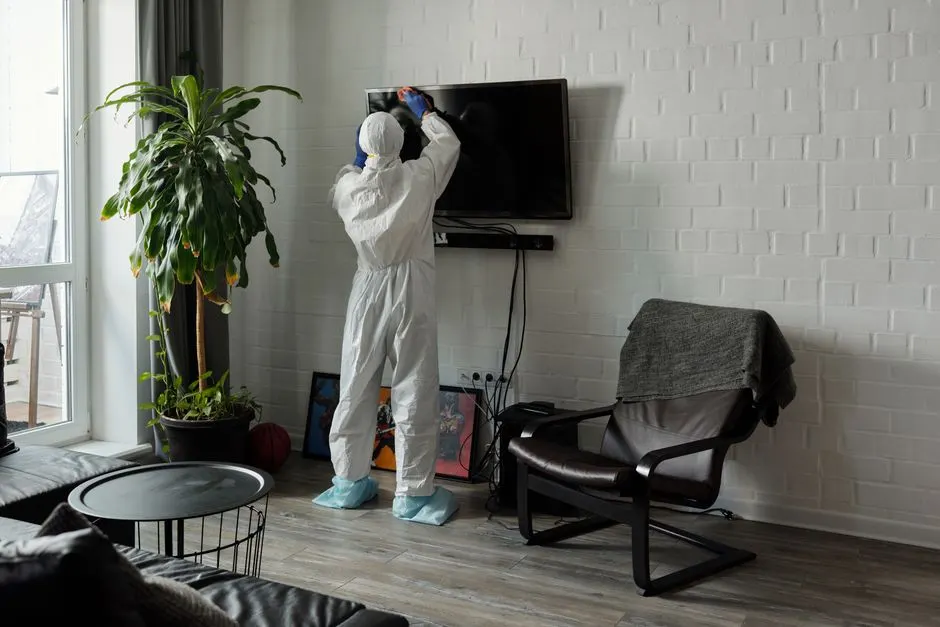
A working sump pump is the cheapest flood insurance you can buy. Here is what a correctly sized, correctly plumbed system does for your Philadelphia property.
Stops Basement Flooding
A 1/3 HP submersible pump moving 2,400 gallons per hour clears a typical Philadelphia rowhouse pit in under 90 seconds. We size the pump to your pit volume and vertical lift so it cycles hard and shuts off clean, not short-cycling every 20 seconds.
Protects Foundation And Slab
Standing water under a slab wicks upward through concrete and rots the bottom plate of your framing. We install a vapor barrier and gravel bed under the basin so hydrostatic pressure releases into the pit instead of pushing through your floor.
Battery Backup For Storms
Power goes out in Philadelphia storms more often than people expect. A battery backup pump runs 7 to 8 hours on a charged marine battery, which covers the window when your primary pump is dead and the rain is still coming down.
Lower Utility And Repair Bills
A clogged or undersized pump runs longer and burns more electricity. We clear discharge lines, replace worn check valves, and set the float height correctly, which cuts cycle time and adds years to the pump's service life.
Typical 2026 pricing in this area runs $450 to $850 for a standard submersible pump replacement, installed. A full new pit with liner and gravel bed runs $1,200 to $2,200. Battery backup systems add $350 to $600. Emergency after-hours calls carry a modest dispatch fee, quoted before we roll. We quote the full job before we start and do not add trip charges inside Philadelphia County. If you want affordable sump pump installation Philadelphia PA without surprise line items, this is how we price.
Typical Investment Range
$450 - $2,200 depending on scope
A correctly sized pump installed by a licensed crew costs less than one finished-basement flood. We size the pump to your pit, wire it to code, and warranty the workmanship for 1 year.
What changes the price
Pump size and type
A 1/3 HP submersible covers most Philadelphia rowhouse pits. Deeper basements or long discharge runs need 1/2 HP, which adds cost. Battery backup systems are a separate line item.
Pit condition
If the existing basin is sound, we reuse it and you save the cost of a new liner and gravel bed. Cracked or undersized pits need a full replacement, which runs $1,200 to $2,200.
Discharge line access
A line that exits through the rim joist is quick to service. A buried line that needs digging or replacement adds labor and materials to the job.
Emergency timing
After-hours and weekend calls carry a modest dispatch fee. We quote it on the phone before we roll, so you know the number before a technician leaves the shop.
Mold or water damage
If water sat long enough to grow mold, remediation and drying become a separate scope. We document everything for insurance and quote it before starting.
Google ★★★★★4.9
Pump died on a Sunday night and they had a tech here in about an hour. He had the replacement on the truck and finished the swap the same night. Fair price, no upsell, and he showed me the test cycles before he left.
Yelp ★★★★★4.8
We had a musty smell for months. They found the pump was short-cycling and the crawl space was damp. Fixed the pump, installed a vapor barrier, and the smell was gone in a week. Professional crew.
BBB ★★★★★4.9
Managed a commercial basement flood and they responded within the hour. Extracted water, set drying equipment, and documented everything for our insurer. The new pump and alarm give us peace of mind.
Mold Removal Philly has been working in Philadelphia basements since 2015, and sump pump work has been part of that from day one. Our technicians hold IICRC WRT and AMRT credentials, which means they understand water intrusion from the pump pit to the drywall. We carry a PA mold remediation license and follow OSHA and EPA Lead-Safe practices on every pre-1978 rowhouse. In 11 years we have installed or repaired more than 1,400 pumps across Philadelphia County, from Center City high-rises to Chestnut Hill stone basements.
Real experiences from customers who chose our Sump Pump Installation and Repair services.
“Our pump died during a storm and the pit was filling fast. I called at 11 p.m. and a tech was here in about an hour. He had a replacement pump on the truck and swapped it that night. Cost was right in the range they quoted on the phone. No more wet floor.”
Dana R.
Homeowner, Fishtown
“I manage three rowhouses and two of them had old pumps. Mold Removal Philly replaced both, added battery backups, and cleaned out the discharge lines. They showed me the amp draw readings and wrote the install dates on the pumps. Straightforward work, fair price.”
Marcus T.
Landlord, University City
“We had a musty smell for months and could not figure out why. Their tech found the sump pump was short-cycling and the crawl space was damp. They fixed the pump, installed a vapor barrier, and the smell was gone in a week. Should have called them a year ago.”
Ellen K.
Homeowner, Chestnut Hill
Real answers to the questions we hear most often from local homeowners and property managers.
After a pump failure, mold can start in 24 to 48 hours. We use a moisture meter and thermal imaging camera to map hidden dampness behind baseboards and under flooring before it becomes a bigger problem.
View Mold Inspection and TestingIf water sat in your basement long enough to grow mold, we contain the area with negative air machines and HEPA scrubbers, remove affected material, and treat surfaces with an antimicrobial coating.
View Mold RemediationBlack mold loves the damp drywall and framing that follow a sump pump failure. We remove contaminated material, HEPA vacuum the cavity, and apply Fiberlock or Concrobium to stop regrowth.
View Black Mold RemovalPhiladelphia rowhouses trap moisture in party walls and basement corners. Our residential crews handle the full scope, from containment to post-remediation verification, so your family comes back to a clean space.
View Residential Mold RemovalA failed sump pump in a commercial basement can shut down a business. We work after hours, use Xactimate-standard documentation for insurance, and get your space cleared for reopening.
View Commercial Mold RemovalAttic condensation and roof leaks feed mold just like a wet basement does. We inspect with a boroscope, remove affected sheathing, and improve ventilation so the problem does not return.
View Attic Mold RemovalCall +1 2152813400 or email info@moldremovalphilly.com and we will schedule an inspection, usually the same day if you reach us before noon. Water emergencies get 24/7 response. We serve every neighborhood in Philadelphia County, from Center City to Northeast Philadelphia.
Phone
+1 2152813400Address
Pearson Avenue, Unit A Philadelphia, PA 19114
Hours
Mon–Fri: 7AM – 7PM
Sat: 8AM – 4PM
Sun: Emergency Only
24/7 Emergency Available