
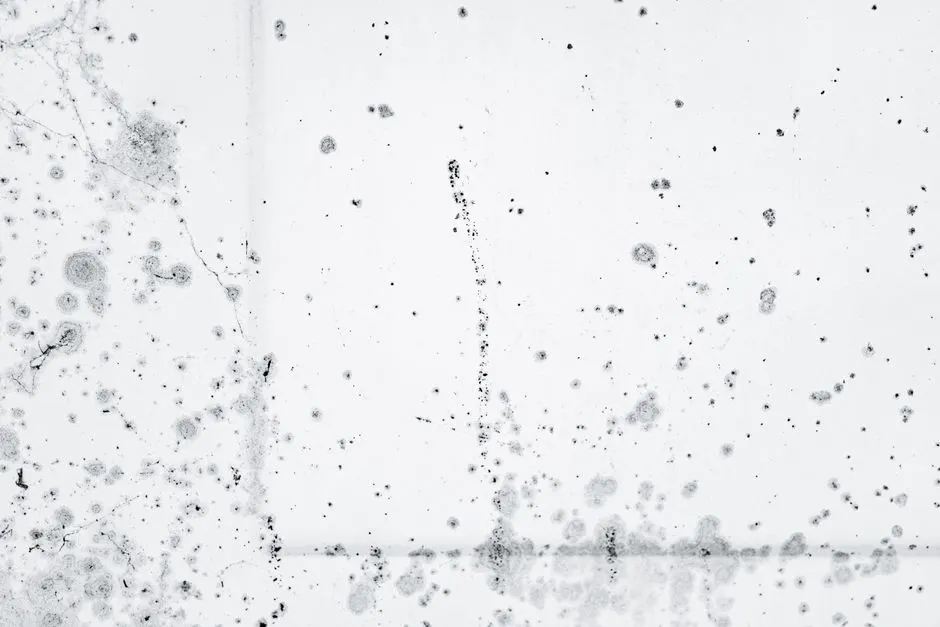
Full Moisture Inspection
We map every wet zone with a thermal imaging camera and moisture meter, then take air and surface samples where growth is suspected. You get a written scope with photos and a fixed price before any work starts.
Every remediation job includes the core work: inspection, containment, removal, drying, and clearance testing. Add-ons like crawl space encapsulation, sump pump installation, and duct cleaning are quoted separately when the inspection shows they are needed. Here is what you get on a standard job.
We map every wet zone with a thermal imaging camera and moisture meter, then take air and surface samples where growth is suspected. You get a written scope with photos and a fixed price before any work starts.
We seal the work area with poly sheeting and run air scrubbers with HEPA filters plus a negative air machine. This keeps spores from spreading to clean rooms while we work, which matters in open-plan rowhouses.
Contaminated drywall, insulation, and porous materials come out and get bagged. Framing and hard surfaces are HEPA vacuumed and treated with antimicrobial coating, Concrobium, or Benefect depending on the surface.
We place Dri-Eaz and Phoenix Restoration Equipment dehumidifiers and air movers and check readings daily. Wood needs to reach below 16 percent moisture content before we can verify the job.
We re-test the air after remediation and compare spore counts to an outdoor baseline. You get a written clearance report that satisfies buyers, lenders, and property managers, plus a walkthrough of what we did.
Mold remediation Philadelphia PA is the process of locating mold growth, removing it, and correcting the moisture problem that caused it, so it does not come back. It is not a wipe-down with bleach. We set up containment, run air scrubbers with HEPA filters, and physically remove contaminated drywall, insulation, and framing. Every job starts with moisture mapping using a thermal imaging camera and a moisture meter, because mold you can see is usually a fraction of the mold that is there.
Philadelphia homes give mold plenty of chances to take hold. Rowhouse basements flood after heavy rain, crawl spaces stay damp year-round, and older brick walls wick moisture inward all winter. We handle mold cleanup services Philadelphia property owners call about most: black mold behind bathroom tile, growth on basement joists, and attic sheathing stained from roof leaks. If you are searching for mold remediation in Philadelphia PA near me, we cover the whole city, from 19154 in the Northeast down to 19102 in Center City.
Every job follows the same sequence, whether it is a single bathroom or a 2,000-square-foot commercial space. Here is exactly what you can expect from the first phone call to the final clearance report.
Schedule
Call or book online — a real human picks up and confirms a 2-hour arrival window.
Diagnose
Licensed tech inspects on-site, then walks you through the cause and your options.
Fix
The job is completed to code and done right the first time — no shortcuts, no surprises.
Guarantee
Every job backed by a written workmanship warranty — and we stand behind it.
Thermal Imaging Camera
Reveals temperature differences behind walls and under floors, showing where moisture is hiding before mold becomes visible.
Moisture Meter
Measures moisture content in wood, drywall, and concrete. We use it to map affected areas and to confirm materials are dry before clearance.
Air Scrubber with HEPA Filters
Filters airborne spores down to 0.3 microns and runs continuously during containment to keep clean rooms clean.
Negative Air Machine
Creates negative pressure inside the containment zone so air flows in, not out, preventing spores from escaping into the rest of the house.
Dri-Eaz and Phoenix Dehumidifiers
Pulls moisture out of the air and structure after removal. We monitor readings daily until wood drops below 16 percent moisture content.
Boroscope
A camera on a flexible probe that lets us look inside wall cavities and behind cabinets without tearing everything open.
Fogger
Applies disinfectant and odor-neutralizing products evenly across large surfaces and into hard-to-reach cavities.
IICRC S520 Standard
The industry standard for mold remediation, covering containment, removal, cleaning, and verification. We follow it on every job, which is what makes our clearance reports credible with insurers and lenders.
Negative Pressure Containment
We seal the work area with 6-mil poly and run a negative air machine so spores cannot drift into clean rooms. Critical in open-plan Philadelphia rowhouses where rooms share air.
Antimicrobial Coating and Encapsulation
After removal, framing gets treated with antimicrobial coating, and crawl spaces get vapor barrier and encapsulation liner. This stops residual spores from regrowing when humidity rises.
Post-Remediation Verification
We collect air samples after cleaning and compare spore counts to an outdoor baseline. If counts are elevated, we clean again before calling the job done.
01
What we do: We extract standing water, set drying equipment, and inspect for mold growth. If growth has started, we contain the area, remove affected materials, and treat the framing in the same visit.
→ The basement dries to below 16 percent moisture content, clearance testing passes, and you avoid a full rebuild.
02
What we do: We inspect with a moisture meter and boroscope, scope the remediation in writing, and provide a clearance report after the work. That report goes straight to your lender and agent.
→ The sale moves forward with documentation the lender accepts, and the crawl space is dry and encapsulated.
03
What we do: We inspect, test the air, remove affected drywall, treat the framing, and correct the ventilation. We document everything for your insurance carrier and provide a clearance report for the tenant.
→ The unit is rent-ready within a week, and you have paperwork showing the air is clean.
04
What we do: We remove contaminated water and materials, disinfect with EPA-registered products, dry the structure, and remediate any growth. Everything gets photographed and logged for your claim.
→ The space is sanitized, dry, and verified clean, with a report your adjuster can process.
Philadelphia's climate and housing stock create specific mold patterns. Summers run humid, and rowhouse basements without dehumidifiers stay above 60 percent relative humidity for weeks. Winter brings attic condensation as warm interior air hits cold sheathing. Spring rain pushes water through foundation leaks and failed sump pumps. We see all of it. Most of our work happens in pre-1950 rowhouses and twins where brick walls wick moisture and original plumbing has been patched for decades. We follow IICRC S520 and pull Philadelphia permits when structural or mechanical repairs are involved. If you need professional mold remediation Philadelphia PA wide, we cover the whole city, from 19154 in the Northeast to 19102 in Center City. Whether it is a finished basement in Fishtown or a crawl space in Germantown, the sequence is the same: find the moisture, remove the growth, dry the structure, verify the air.
Fishtown
Renovated rowhouses with finished basements flood easily when original drains back up. We see mold on joists and behind newly installed drywall.
Chestnut Hill
Older stone and stucco homes hold moisture in walls. Attic condensation and roof leaks are common sources of growth on sheathing.
University City
Dense rental housing means small leaks go unreported for months. Bathroom and kitchen mold behind cabinets is a frequent call.
Northeast Philadelphia
Single-family homes with crawl spaces that stay damp year-round. Vapor barrier and encapsulation work solves most of the recurring growth.
Humid summers above 60 percent relative humidity
Basements and crawl spaces stay damp for weeks, feeding mold even without a leak. Dehumidification and encapsulation are the fix.
Winter attic condensation
Warm air escaping into cold attics condenses on sheathing and grows mold through the winter. Ventilation and insulation corrections stop it.
Aging plumbing in pre-1950 rowhouses
Supply lines and drains fail behind walls, leaking slowly for months. We use boroscopes and moisture meters to find them before remediation.
Most of the calls we get fall into a handful of patterns. Here are the ones we see most often, what happens if you leave them alone, and how we handle them.
Problem
Spores spread through the house every time the shower runs, and the growth eats into drywall paper and framing. Left alone, it can reach adjacent rooms within weeks.
Our Fix
We cut out the affected drywall, treat the framing with antimicrobial coating, correct the ventilation problem, and rebuild with mold resistant drywall. Clearance testing confirms the air is clean before we close the wall.
Problem
Standing water wicks into joists and insulation, and mold shows up within 24 to 48 hours. Repeat flooding turns a one-time repair into a yearly expense.
Our Fix
We extract the water, remove moldy materials, dry the structure, and fix the source with foundation waterproofing or sump pump repair. That stops the cycle instead of just cleaning up after it.
Problem
Crawl space moisture rises into the living space, feeding mold on subfloor and joists. The smell is a symptom, not the problem, and it gets worse every humid month.
Our Fix
We remove the growth, install vapor barrier and encapsulation liner, and correct drainage. The space stays dry, the odor goes away, and the subfloor stops feeding mold.
Problem
Wet sheathing and rafters grow mold through the winter, and the spores drift down into bedrooms. Insulation holds moisture and loses R-value at the same time.
Our Fix
We find the leak with a moisture meter and boroscope, repair the roof entry point, remove affected sheathing, and treat the framing. Ventilation gets corrected so condensation stops feeding new growth.
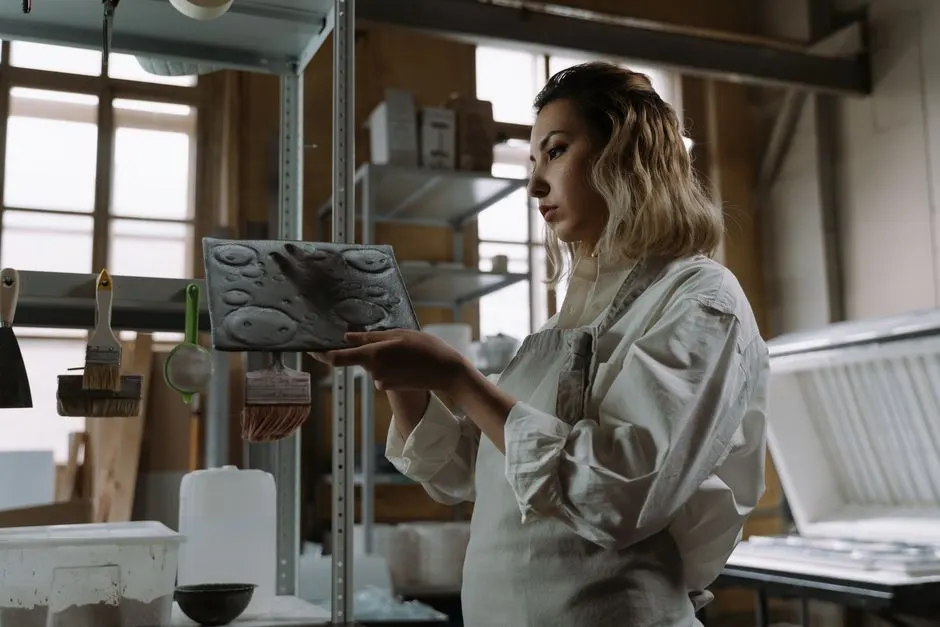
Mold spreads fast and does not stop at the wall you can see. Here is what you get when you put our crew on the job instead of a general handyman with a spray bottle.
Verified Clearance Results
We do not call a job done until post-remediation verification confirms it. Air samples are collected after the work area is cleaned, and we compare spore counts inside against an outdoor baseline. On a typical 200-square-foot basement job, that means two to three samples and a written report you can hand to a buyer, a lender, or your insurance adjuster.
Same-Day Emergency Response
Water in your basement at 2 a.m. turns into mold in 24 to 48 hours. Our emergency mold remediation Philadelphia 24/7 line stays open, and we can be on-site the same day for burst pipes, sewage backup, and storm intrusion. Fast extraction is the single biggest factor in keeping a small problem small.
Insurance Paperwork Handled
We document every affected room with photos, moisture readings, and a scope written in Xactimate, the same estimating software most carriers use. That means fewer back-and-forth emails and a claim that moves faster. For covered losses like appliance failures and supply-line breaks, we work directly with your adjuster from first call to final invoice.
Moisture Fixed, Not Just Mold
Killing surface mold without fixing the water source is a waste of money. We trace the source, whether it is a foundation leak, a failed sump pump, or attic condensation, and we correct it with vapor barrier installation, crawl space encapsulation, or targeted repairs. That is what keeps the growth from returning next spring.
Typical 2026 pricing in Philadelphia runs $1,200 to $6,500 for residential remediation, with most single-room jobs landing between $2,200 and $3,800. The number depends on affected square footage, how much material has to come out, and whether the moisture source needs repair. We give you a fixed price after inspection, so you are not guessing. If you are comparing mold cleanup services Philadelphia wide, ask each company for a written scope and a clearance report. That is what you are actually paying for.
Typical Investment Range
$1,200 - $6,500 depending on scope
You are paying for removal, drying, source correction, and verified clearance, not just a spray-down. A job done right the first time costs less than repeating it every spring. We put the price in writing before we start.
What changes the price
Affected Square Footage
A 50-square-foot bathroom costs far less than a 600-square-foot finished basement. We measure the actual contaminated area during inspection and price per zone, not per house.
Material Removal Needed
Porous materials like drywall and insulation have to come out. If growth is only on framing and hard surfaces, the job is smaller. We show you what has to go before we start cutting.
Moisture Source Repair
Fixing a foundation leak or failed sump pump adds cost, but skipping it means the mold returns. We quote the repair separately so you can see exactly what you are paying for.
Access and Containment Complexity
Crawl spaces and attics take longer to contain and work in than open basements. Tight rowhouse layouts and finished ceilings add labor. We factor that into the fixed price.
Clearance Testing Requirements
Post-remediation verification adds a small amount but gives you a written report for buyers, lenders, or tenants. Most of our customers want it, and we include it in the standard scope.
Google ★★★★★4.9
They handled a basement mold job in our Fishtown rowhouse after a pipe burst. Containment went up fast, the crew was clean and professional, and the clearance report came back clean. Price matched the estimate to the dollar.
Yelp ★★★★★4.8
Called about attic mold in Chestnut Hill. They found the roof leak with a thermal camera, fixed the ventilation, and removed the affected sheathing. No more musty smell upstairs. Took four days total, exactly as quoted.
BBB ★★★★★4.9
We manage rentals in University City and had mold behind a bathroom wall. They documented everything for insurance, worked around the tenant's schedule, and provided a clearance report the lender accepted. Would use again.
Google ★★★★★5.0
Sewage backup in our Northeast Philadelphia basement. They extracted, disinfected, and dried the space, then remediated the growth. The adjuster processed the claim without a single question because the paperwork was in Xactimate.
Mold Removal Philly has been remediating Philadelphia properties since 2015. Our technicians hold IICRC WRT (Water Restoration Technician) and IICRC AMRT (Applied Microbial Remediation Technician) certifications, and we follow OSHA and EPA Lead-Safe practices on every job. We have worked in rowhouses, twins, high-rises, and commercial buildings across Philadelphia County, which means we have seen how this city's building stock fails and how to fix it. When you hire a professional mold remediation Philadelphia PA crew, credentials matter, and ours are current.
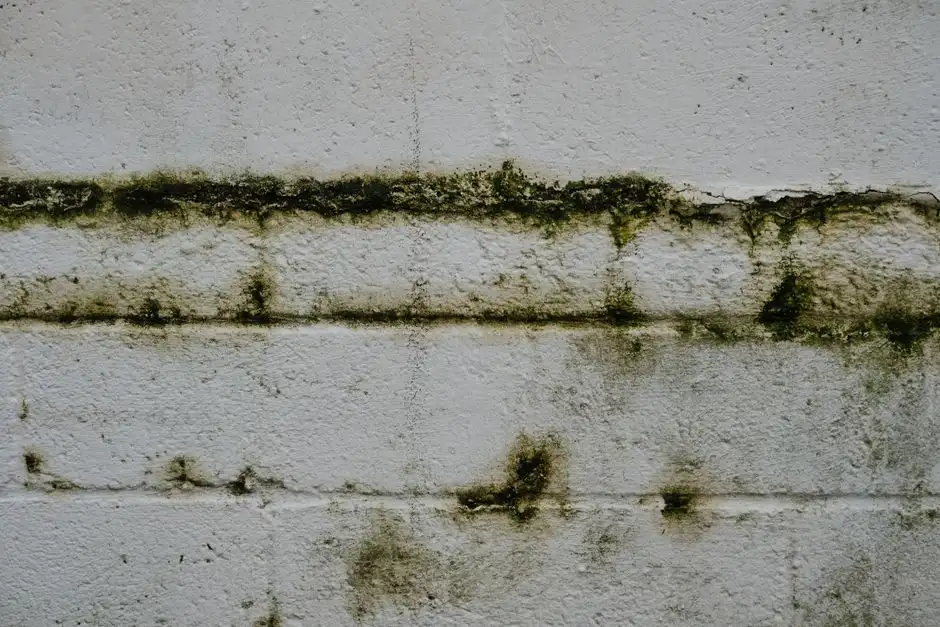
Real experiences from customers who chose our Mold Remediation services.
“Our basement flooded after a storm and mold showed up on the joists within a week. The crew set up containment, pulled the wet insulation, and ran dehumidifiers for four days. They showed me the moisture readings every morning. Clearance test came back clean and the price matched the estimate exactly.”
Danielle R.
Homeowner, Fishtown
“I manage six rental units and had mold behind a bathroom wall in one of them. They handled the removal, treated the framing, and gave me a clearance report I could show the tenant. Insurance covered most of it because their paperwork was in Xactimate. Turned a stressful situation into a non-issue.”
Marcus T.
Landlord, University City
“We had attic mold from a roof leak that had been going on for who knows how long. They found the source with a thermal camera, fixed the ventilation, and removed the affected sheathing. No more musty smell in the upstairs bedrooms. I would call them again without hesitation.”
Priya S.
Homeowner, Chestnut Hill
Real answers to the questions we hear most often from local homeowners and property managers.
Before any remediation, we inspect with a thermal imaging camera and moisture meter, then take air and surface samples. This tells you what species you are dealing with and how far it has spread, which shapes the scope and the price.
View Mold Inspection and TestingBlack mold behind drywall and under basement joists needs containment and HEPA filtration, not a bleach spray. We remove contaminated materials, treat framing with antimicrobial coating, and verify clearance so the growth does not return.
View Black Mold RemovalRowhouses, twins, and single-family homes across Philadelphia County. We work around your schedule, protect floors and furniture, and keep the work area sealed so your family is not breathing spores during the job.
View Residential Mold RemovalOffices, retail spaces, and multi-unit buildings need after-hours scheduling and documentation for tenants and insurers. We scope the work in Xactimate and provide clearance reports that satisfy property managers and lenders.
View Commercial Mold RemovalAttic condensation and roof leaks stain sheathing and rafters across Philadelphia's older housing stock. We remove affected material, treat framing, and correct ventilation so the attic stays dry through winter.
View Attic Mold RemovalPhiladelphia basements flood from heavy rain, failed sump pumps, and foundation leaks. We extract standing water, remove moldy drywall and insulation, and dry the space to below 16 percent moisture content before clearance testing.
View Basement Mold RemovalCall +1 2152813400 or email info@moldremovalphilly.com and we will schedule an inspection, usually the same day if you reach us before noon. Water emergencies get 24/7 response. We serve every neighborhood in Philadelphia County, from Center City to Northeast Philadelphia.
Phone
+1 2152813400Address
Pearson Avenue, Unit A Philadelphia, PA 19114
Hours
Mon–Fri: 7AM – 7PM
Sat: 8AM – 4PM
Sun: Emergency Only
24/7 Emergency Available