
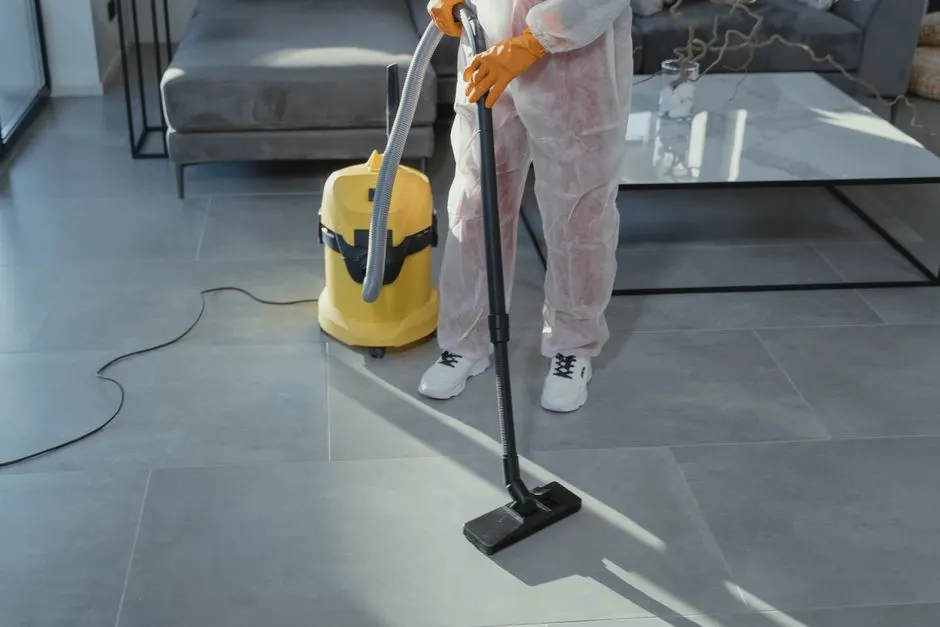
Full Moisture Inspection
We map the wet zone with a moisture meter, thermal imaging camera, and boroscope. You get photos and a written scope showing exactly where mold is growing and why.
Every basement mold removal job includes inspection, containment, removal, drying, and a clearance test. Rebuild work like drywall and painting is quoted separately once the basement is verified clean, so you only pay for what your space actually needs.
We map the wet zone with a moisture meter, thermal imaging camera, and boroscope. You get photos and a written scope showing exactly where mold is growing and why.
6-mil poly barriers and a negative air machine isolate the work area. HEPA air scrubbers run continuously so spores do not migrate to the rest of your home.
Contaminated drywall, insulation, and debris are bagged and removed. Structural wood is HEPA-vacuumed, wire-brushed, and coated with an antimicrobial product like Fiberlock or Concrobium.
Dri-Eaz and Phoenix Restoration Equipment dehumidifiers run until framing reads below 15% moisture content. We log daily readings so you can see the structure drying out.
An independent post-remediation verification test confirms spore counts are normal. You get the lab report, which is the document insurers and future buyers want to see.
Basement Mold Removal in Philadelphia is the process of locating mold growth in a below-grade space, containing it, physically removing contaminated materials, and treating the area so spores do not spread to the rest of your home. We start with a moisture meter and thermal imaging camera to find the water source, then set up negative air machines and HEPA scrubbers before any demolition. Porous materials like soggy drywall and insulation get bagged and hauled out; structural wood gets wire-brushed, HEPA-vacuumed, and sealed with an antimicrobial coating.
Philadelphia basements take on water in predictable ways: foundation leaks in 100-year-old rowhomes, sewage backup after heavy storms, and crawl space moisture that never dries out. We see black mold in basement removal Philadelphia PA jobs most often between October and March, when windows stay shut and humidity climbs. If you are searching for basement mold removal in Philadelphia PA near me, call us at +1 2152813400 and we will schedule an inspection, usually within 24 hours.
Every job follows the same five steps, whether it is a 400-square-foot basement in Fishtown or a finished lower level in Chestnut Hill.
Schedule
Call or book online — a real human picks up and confirms a 2-hour arrival window.
Diagnose
Licensed tech inspects on-site, then walks you through the cause and your options.
Fix
The job is completed to code and done right the first time — no shortcuts, no surprises.
Guarantee
Every job backed by a written workmanship warranty — and we stand behind it.
Thermal Imaging Camera
Finds hidden moisture behind finished walls and under floors without tearing everything open. It shows us where the water actually is.
Moisture Meter
Reads moisture content in wood, drywall, and concrete. We use it to set the drying goal and confirm when framing is below 15%.
Negative Air Machine
Creates negative pressure inside the containment so spores cannot escape into the rest of your home while we work.
HEPA Air Scrubber
Filters airborne spores and dust down to 0.3 microns. We run scrubbers for the entire job, not just during demolition.
Boroscope
Lets us see inside wall cavities and joist bays without making a large hole. We confirm mold growth before recommending demolition.
Fogger
Applies antimicrobial product into tight spaces like block wall cores and joist bays where a sprayer cannot reach.
Dri-Eaz and Phoenix Dehumidifiers
Low-grain refrigerant and desiccant units pull moisture out of framing and concrete fast. We size them to the cubic footage of your basement.
IICRC S520 Remediation Standard
We follow the IICRC S520 mold remediation protocol for containment, removal, and clearance. It is the standard insurers and industrial hygienists recognize.
Antimicrobial Coating Application
After physical removal, we coat structural wood and concrete with Fiberlock, Concrobium, or Benefect. The coating stops regrowth on surfaces that cannot be removed.
Post-Remediation Verification
An independent third party takes air samples after we finish. Spore counts must match outdoor baseline before we call the job complete.
Vapor Barrier and Encapsulation
For crawl spaces and damp concrete, we install heavy-duty liner and seal penetrations. This cuts off the ground moisture that feeds basement mold.
01
What we do: We extract any remaining water, remove moldy drywall and insulation, dry the framing with dehumidifiers, and treat the wood. We also repair or replace the pump and add battery backup.
→ Your basement is dry and mold-free, and the next storm will not flood it. Most jobs like this finish in 4 to 6 days.
02
What we do: We perform a full inspection with air sampling, provide a written remediation scope, and complete the work before closing. The clearance report goes to your lender and agent.
→ You close on a clean basement with documentation, and the seller's credit usually covers most of the cost.
03
What we do: We fix the water path, contain the basement work area, remove affected materials, and run HEPA filtration. We coordinate with the tenant so the unit stays livable where possible.
→ The unit passes clearance testing, the tenant stays, and you avoid a health complaint or lease dispute.
04
What we do: We cut a inspection channel, confirm the moisture source with a meter, remove the moldy drywall, and treat the framing. Rebuild uses mold resistant drywall and a vapor barrier.
→ Your finished space is usable again, and the new materials resist future moisture better than the original build.
Philadelphia basements are mostly unfinished stone or brick with low ceilings, and that changes how we work. We see foundation leaks in 100-year-old rowhomes in Fishtown and Northern Liberties, sewage backup in South Philly after heavy rain, and crawl space moisture in Northeast Philly twins. Winter is our busiest season because windows stay shut and indoor humidity climbs; spring rain brings a second wave of calls. We follow Pennsylvania's mold remediation requirements and use EPA Lead-Safe practices in pre-1978 homes, which covers most of Philadelphia County. If you need affordable basement mold removal Philadelphia PA, we scope the job honestly and tell you what can wait. Call +1 2152813400 for basement mold remediation services Philadelphia, Pennsylvania.
Fishtown
Dense rowhome blocks with shared party walls. Water from a neighbor's leak often shows up as mold on your side of the wall.
Northeast Philadelphia
Post-war twins and singles with poured concrete basements. Sump pump failures during summer storms are the top cause of mold here.
University City
Older rental housing with deferred maintenance. Roof leaks and slow plumbing drips feed basement mold that tenants report first.
Manayunk
Hillside homes where exterior grading pushes water against the foundation. Foundation waterproofing is often part of the fix.
High water table near the Delaware and Schuylkill rivers
Basements in river-adjacent neighborhoods stay damp even without a visible leak. We add dehumidification and vapor barriers to control humidity year-round.
Freeze-thaw cycles from December through March
Foundation cracks open and close with the temperature swings, letting water in each spring. We seal cracks and check them again after the thaw.
Combined sewer system in older neighborhoods
Heavy rain can push sewage back into basements. We treat those losses as contaminated water and disinfect with hospital-grade products.
Pre-1978 housing stock across most of the city
Disturbing old paint during demolition requires EPA Lead-Safe work practices. Our crews are certified and contain lead dust along with mold spores.
Most Philadelphia basement mold calls come down to five problems. We fix the mold and the water source behind it, so you are not calling us again next spring.
Problem
A recurring smell means active mold growth inside wall cavities or under the floor. Ignoring it lets spores spread to the first floor and HVAC system.
Our Fix
We trace the leak with thermal imaging, open the affected cavity, remove the mold, and repair the entry point. Most rain-driven odors are gone within one week of remediation.
Problem
Black mold on structural wood weakens the framing over time and releases spores into your living space. It is the most common call we get in Philadelphia rowhomes.
Our Fix
We contain the area, HEPA-vacuum and wire-brush the wood, then apply an antimicrobial coating. Clearance testing confirms the joists are clean before we close anything up.
Problem
Sewage is Category 3 water and carries bacteria. Mold can colonize within 24 to 48 hours, and the contamination spreads faster than a clean-water leak.
Our Fix
Our emergency crew extracts, removes contaminated materials, and disinfects with Benefect. We document the loss in Xactimate so your insurance claim moves faster.
Problem
Ground moisture in an open crawl space keeps basement humidity above 60% year-round. Mold keeps coming back no matter how many times you clean it.
Our Fix
We install a vapor barrier or full encapsulation liner, seal the vents, and add a dehumidifier sized to the space. Humidity drops below 50% and stays there.
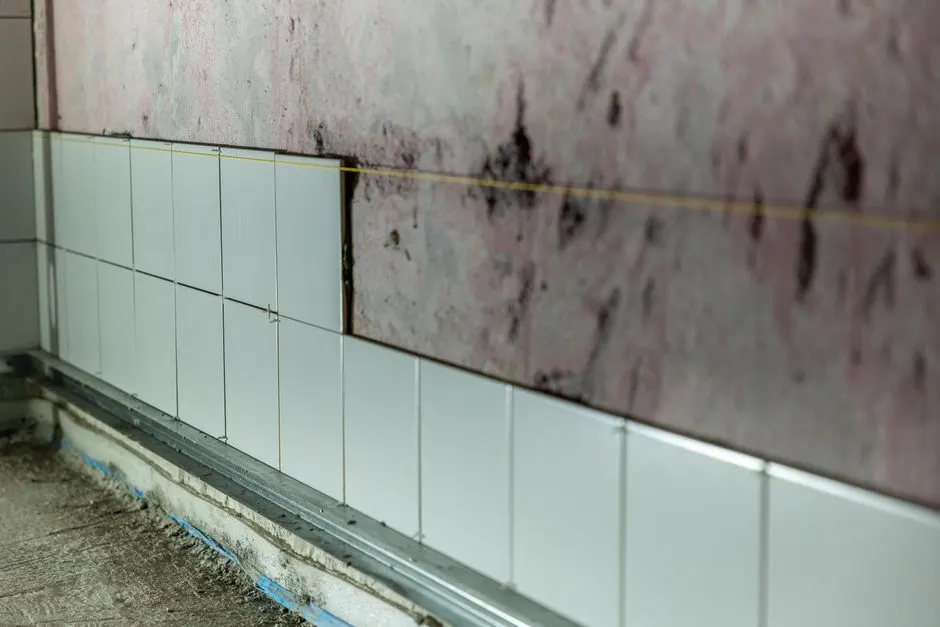
Mold does not fix itself, and a damp basement gets worse every week. These are the outcomes our customers actually care about.
Same-Week Scheduling
We book most basement mold cleanup Philadelphia PA jobs within 3 to 5 days, and emergency basement mold removal Philadelphia calls get a same-day response. You get a written scope and price before we cut anything open.
Air Quality Restored
We run air scrubbers and HEPA vacuums for the full job, not just at the end. Post-remediation verification with an independent clearance test confirms spore counts are back to normal before we pack up.
Source Fixed, Not Just Mold
Removing mold without stopping the water is a waste of money. We trace foundation leaks, failed sump pumps, and clogged gutters, then recommend the repair so your basement stays dry through the next storm season.
Insurance Paperwork Handled
We document every affected area with photos and moisture readings, then format the scope in Xactimate so your adjuster can process the claim faster. Most water-damage-related mold claims get a decision within 7 to 10 business days.
Typical 2026 pricing for basement mold removal in Philadelphia runs $1,500 to $6,500 for most homes. Small unfinished basements with surface mold start around $1,200, while finished basements with HVAC contamination can reach $9,000 or more. The price depends on square footage, how much material has to come out, and whether the water source needs repair. We give you a written price after the inspection, and it does not change unless you approve added work. If you need basement mold cleanup Philadelphia PA on a budget, ask us what can be phased.
Typical Investment Range
$1,200 - $9,000 depending on scope
The price covers containment, removal, drying, and a clearance test, not just a spray-and-wipe. Fixing the water source at the same time is what keeps you from paying for the same job twice.
What changes the price
Square footage affected
Mold covering 200 square feet costs far less to remove than mold across 800 square feet. Larger areas need more containment, more labor, and more disposal.
Materials contaminated
Surface mold on concrete is a cleaning job. Moldy drywall, insulation, and carpet have to be removed and replaced, which adds demolition and rebuild cost.
Water source repair
If the leak is a simple crack, repair is minor. Failed sump pumps, foundation waterproofing, and sewer line issues add cost but prevent the mold from returning.
Access and containment difficulty
Low ceilings, finished walls, and tight stairwells slow the work down. Basements with only a hatch access take longer to set up containment and remove debris.
Testing and clearance requirements
Air sampling before and after adds $300 to $600 but gives you documentation for insurance, a sale, or a landlord dispute. Most customers choose to include it.
Google ★★★★★4.9
They removed mold from our basement in Fishtown and fixed the foundation crack that caused it. The clearance test came back clean, and they left the space cleaner than they found it. Fair price and no upselling.
Yelp ★★★★★4.8
Emergency call after a sewage backup in University City. Crew arrived within two hours, disinfected everything, and handled the insurance paperwork. We were back to normal in under a week.
BBB A+
Professional from start to finish. They explained the process, showed us moisture readings each day, and installed a new sump pump with backup. No mold has come back after two storm seasons.
Mold Removal Philly has been working in Philadelphia basements since 2015. Our technicians hold IICRC WRT and IICRC AMRT credentials, and we follow OSHA and EPA Lead-Safe practices on every job, which matters in pre-1978 rowhomes where disturbing old paint is a real risk. We have remediated thousands of basements across Philadelphia County, from 8-foot-deep stone foundations in Old City to poured-concrete crawl spaces in the Northeast. We carry a PA mold remediation license and $2 million in liability coverage.
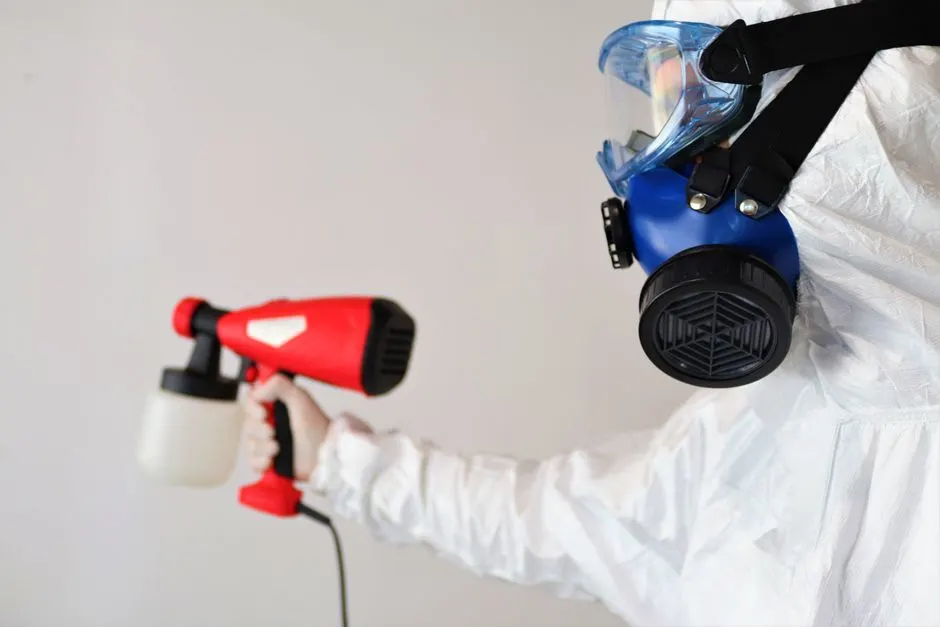
Real experiences from customers who chose our Basement Mold Removal services.
“Our 1920s rowhome basement smelled musty every time it rained. Mold Removal Philly found a foundation crack behind the paneling, removed the black mold, and sealed the wall. The clearance test came back clean and the smell is gone. They also fixed the downspout that was dumping water at the corner.”
Maria D.
Homeowner, Fishtown
“A tenant reported mold after a sewage backup. The crew was out the next morning, extracted the water, removed the contaminated drywall, and disinfected everything with Benefect. They documented the whole job in Xactimate and my insurance covered most of it. Three units, done in four days.”
James R.
Landlord, University City
“We had mold on the joists from a failed sump pump. They installed a new pump with battery backup, ran dehumidifiers for three days, and treated the wood. The basement reads 45% humidity now. Fair price, no surprises, and they cleaned up better than they found it.”
Angela P.
Homeowner, Northeast Philadelphia
Real answers to the questions we hear most often from local homeowners and property managers.
Every basement mold removal job starts with inspection. We use moisture meters, thermal imaging, and air sampling to confirm what is growing and how far it has spread before we quote the work.
View Mold Inspection and TestingFull structural remediation for basements, crawl spaces, and living areas. We contain, remove, and treat contaminated materials, then verify with clearance testing so you know the space is clean.
View Mold RemediationBlack mold in basement removal Philadelphia PA is our most common call. We treat Stachybotrys growth on joists, drywall, and subfloor with HEPA filtration and antimicrobial coatings, then document it for your insurance claim.
View Black Mold RemovalRowhomes, twins, and single-family houses across Philadelphia County. We work around your family's schedule and seal off the work zone so spores never reach the living space upstairs.
View Residential Mold RemovalBasement and below-grade mold in offices, restaurants, and retail spaces. We work after hours to keep your business open and provide the documentation your landlord or insurer requires.
View Commercial Mold RemovalAttic condensation and roof leaks feed mold on sheathing and rafters. If your basement problem came from a roof leak, we handle both ends of the same water path.
View Attic Mold RemovalCall +1 2152813400 or email info@moldremovalphilly.com and we will schedule an inspection, usually the same day if you reach us before noon. Water emergencies get 24/7 response. We serve every neighborhood in Philadelphia County, from Center City to Northeast Philadelphia.
Phone
+1 2152813400Address
Pearson Avenue, Unit A Philadelphia, PA 19114
Hours
Mon–Fri: 7AM – 7PM
Sat: 8AM – 4PM
Sun: Emergency Only
24/7 Emergency Available