Emergency Extraction
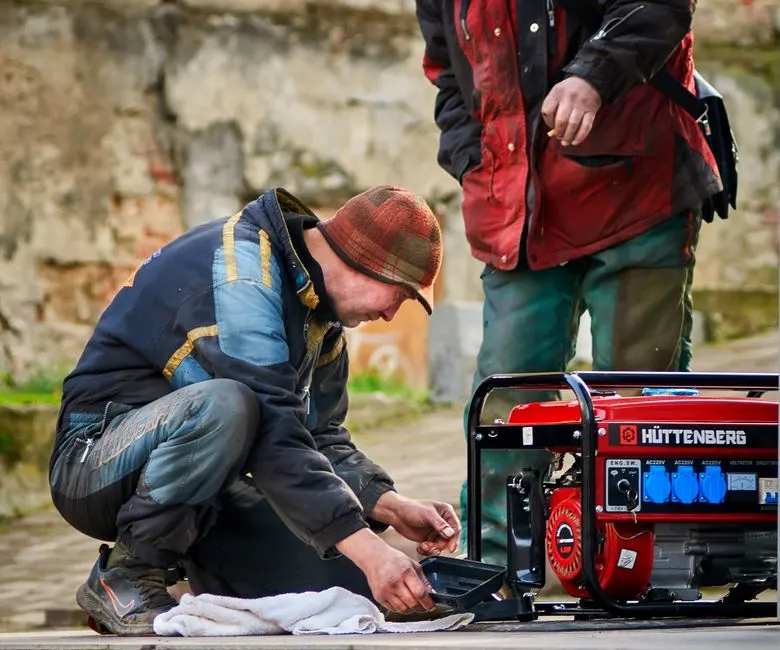
Truck-mounted extractors and portable pumps remove standing sewage from floors, carpets, and low areas. We typically clear a 500-square-foot basement in two to four hours, including setup and containment.
Every sewage backup job is different, but our standard scope covers the essentials. Here is what is included when we handle your cleanup, and what we quote separately if your job needs it.
Truck-mounted extractors and portable pumps remove standing sewage from floors, carpets, and low areas. We typically clear a 500-square-foot basement in two to four hours, including setup and containment.
Saturated drywall, insulation, carpet, and padding come out. We cut drywall to 12 inches above the water line, bag everything, and dispose of it according to Pennsylvania waste rules.
We apply EPA-registered disinfectants and antimicrobial coating to structural surfaces, then fog with Benefect or ShockWave to neutralize sewage odor at the source. This is the step that makes the space safe again.
Dri-Eaz and Phoenix Restoration Equipment dehumidifiers and air movers run until moisture readings hit dry standard. We monitor daily and adjust equipment placement. Drying usually takes three to five days.
Photos, moisture logs, and Xactimate line items go to you and your insurer. We finish with clearance testing to confirm the space is dry and clean before rebuild begins.
Sewage backup cleanup Philadelphia PA is the process of removing Category 3 contaminated water, disinfecting affected materials, and restoring safe indoor air quality after a sewer line reverses into your property. Sewage carries bacteria, viruses, and parasites, so this is not a shop-vac job. We pump out standing waste, remove saturated drywall and insulation, treat framing with antimicrobial coating, and run dehumidifiers until moisture readings return to baseline.
Philadelphia's aging combined sewer system backs up most often during heavy rain, when stormwater overwhelms the mains. We see it in rowhouse basements from South Philadelphia to Kensington, and in commercial kitchens along East Passyunk. If you are searching for sewage backup cleanup in Philadelphia PA near me after a storm, call us before you touch anything. Contaminated water wicks up drywall within hours and mold can colonize in 24 to 48 hours.
Every job follows the same disciplined sequence. Here is exactly what happens from the moment you call until the space is dry and verified.
Schedule
Call or book online — a real human picks up and confirms a 2-hour arrival window.
Diagnose
Licensed tech inspects on-site, then walks you through the cause and your options.
Fix
The job is completed to code and done right the first time — no shortcuts, no surprises.
Guarantee
Every job backed by a written workmanship warranty — and we stand behind it.
Thermal Imaging Camera
Finds hidden moisture behind walls, under floors, and in ceiling cavities that a visual inspection would miss. We use it to map the full extent of contamination before we start.
Moisture Meter
Measures moisture content in drywall, wood, and concrete. We log readings daily to track drying progress and confirm when materials hit dry standard.
Air Scrubber With HEPA Filters
Captures airborne mold spores, bacteria, and particulates during cleanup and drying. We run scrubbers continuously in contained areas to protect indoor air quality.
Dri-Eaz And Phoenix Dehumidifiers
Commercial-grade dehumidifiers pull moisture from the air and speed structural drying. We size the equipment to the space and monitor performance daily.
Boroscope
Inspects inside wall cavities, floor voids, and ductwork without demolition. It helps us confirm whether contamination reached areas we cannot see.
Fogger
Applies disinfectant and deodorizer as a fine mist that reaches cracks and porous surfaces. We use it with Benefect or ShockWave to neutralize sewage odor and bacteria.
Negative Air Machine
Creates negative pressure in the work zone so contaminants do not spread to clean areas of the home. Essential when we are removing moldy or sewage-soaked materials.
IICRC S500 Water Damage Standard
We follow the IICRC S500 standard for water damage restoration, which defines contamination categories, drying goals, and documentation requirements. Our IICRC WRT certified technicians apply it on every sewage job.
Category 3 Contamination Protocol
Sewage is Category 3 water, the most contaminated classification. Our protocol requires full personal protective equipment, removal of porous materials, antimicrobial treatment, and verification testing before the space is considered safe.
Xactimate Documentation
We build line-item scopes in Xactimate, the estimating platform most insurers use. This speeds up claim approval and reduces back-and-forth with your adjuster.
EPA Lead-Safe Work Practices
Many Philadelphia homes were built before 1978 and contain lead paint. Our EPA Lead-Safe certification means we handle demolition and rebuild without creating lead hazards for your family.
01
What we do: We extract the water, remove saturated materials, disinfect the space, and dry it to standard. We also check the floor drain and recommend a backwater valve to prevent the next backup.
→ Your basement is dry, disinfected, and protected against the next storm. Most jobs are complete within a week.
02
What we do: We extract contaminated water, remove affected flooring and cabinetry, disinfect surfaces, and dry the structure. We coordinate with a plumber if the line needs repair before we finish.
→ The space is clean and dry, and you know exactly what caused the backup so it does not happen again.
03
What we do: We inspect with moisture meters and thermal imaging camera, remove moldy materials, treat framing, and dry the space. We document everything for the landlord's insurance claim.
→ The unit is safe to rent again, and you have documentation to support your claim.
04
What we do: We respond after hours, extract the water, disinfect the kitchen, and dry the space so you can pass inspection and reopen. We work around your schedule to minimize downtime.
→ You reopen fast with a clean, inspected kitchen and a documented claim for your insurer.
Philadelphia's housing stock and infrastructure shape how sewage backups happen here. Most of the city sits on a combined sewer system, meaning stormwater and sanitary waste share the same pipes. When heavy rain hits, the system overflows and water backs up into basements through floor drains and laundry standpipes. Rowhouses, which make up much of South Philadelphia, Kensington, and Fishtown, have shared walls and shallow basements that flood fast. Older homes in Germantown and Mount Airy often have clay sewer laterals that crack and root-intrude, causing backups even in dry weather. We size our drying equipment for these tight, masonry-walled spaces, and we know how to document losses for the insurers who write policies in Philadelphia County. If you need sewage remediation services Philadelphia, Pennsylvania, we have seen your exact scenario before.
Fishtown
Rowhouse basements here flood fast during summer storms. We keep extraction equipment staged nearby for quick response.
Kensington
Aging sewer laterals and combined mains make backups common. We check floor drains and recommend backwater valves after cleanup.
Center City
High-rise and commercial backups require after-hours work and tight containment to avoid disrupting other tenants.
South Philadelphia
Dense rowhouse blocks mean one backup can affect shared walls. We inspect adjacent units for moisture migration.
Germantown
Older homes with clay laterals and root intrusion need line inspection alongside cleanup. We coordinate with plumbers when needed.
Combined sewer overflows during heavy rain
Backups spike after summer storms. We staff extra crews during storm events to keep response times under 90 minutes.
Aging clay sewer laterals in older neighborhoods
Roots and cracks cause backups even without rain. We recommend camera inspection after cleanup to catch the underlying problem.
Shallow, masonry-walled basements
These spaces dry slower than modern construction. We extend drying timelines and monitor moisture readings daily.
Pre-1978 housing stock with lead paint
Demolition during cleanup must follow EPA Lead-Safe practices. Our certification lets us remove materials without creating lead hazards.
Sewage backups create a chain of problems that get worse with time. Here are the ones we hear about most from Philadelphia homeowners and property managers.
Problem
Contaminated water wicks into drywall, framing, and flooring within hours, spreading bacteria and causing structural damage that gets more expensive by the day.
Our Fix
We extract standing water immediately, remove saturated materials, and disinfect every touched surface. Our emergency crews arrive with truck-mounted extractors and portable pumps ready to work.
Problem
Odor lingers in porous materials long after the water is gone, and it signals that contamination is still present. Masking it with air fresheners does nothing.
Our Fix
We fog with Benefect and ShockWave, treat framing with antimicrobial coating, and run air scrubbers with HEPA filters. Odor is neutralized at the source, not covered up.
Problem
Mold colonizes wet drywall and framing fast, and black mold can spread through a basement before you realize it is there. Air quality drops and remediation costs climb.
Our Fix
We remove wet materials, dry the structure to standard, and install mold resistant drywall where rebuild is needed. If mold is already present, our certified technicians handle remediation as part of the same job.
Problem
Without proper documentation, adjusters deny or delay claims, leaving you to cover thousands in cleanup and rebuild costs out of pocket.
Our Fix
We photograph everything, log moisture readings, and build Xactimate scopes that match what insurers expect. You get a clean paper trail from day one.
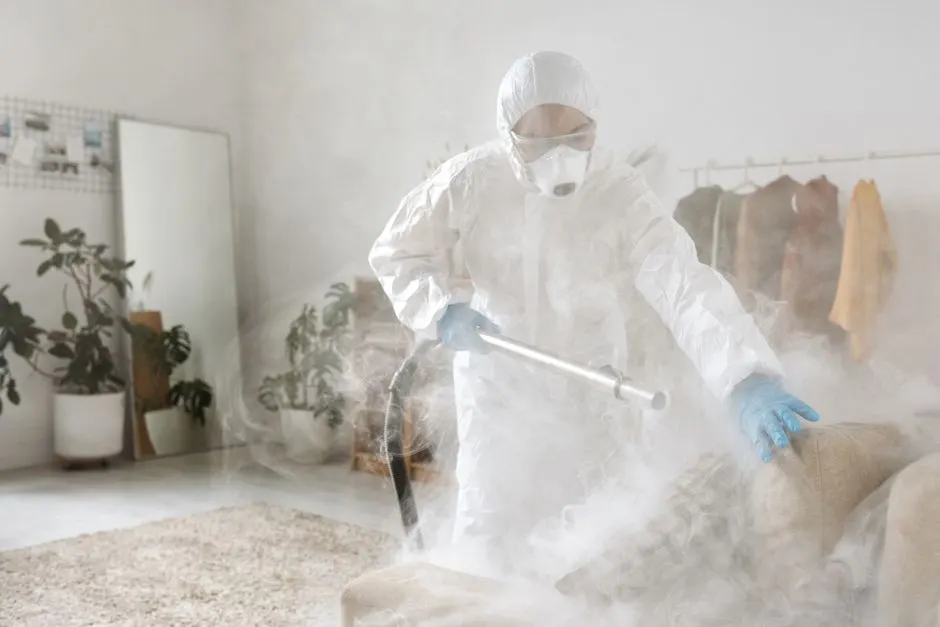
Sewage backups are a health hazard and a property risk. Here is what you get when our crew handles the job.
24/7 Emergency Response
We answer the phone at 2 a.m. when your basement is filling with waste. Our emergency sewage backup cleanup Philadelphia 24/7 crews arrive with truck-mounted extractors and portable pumps, typically within 60 to 90 minutes inside the city. Every hour you wait, contamination spreads further into framing and flooring.
Full Disinfection Protocol
Pumping out the water is only step one. We apply EPA-registered disinfectants and antimicrobial coating to every touched surface, then verify with moisture meters and thermal imaging camera scans. This is what separates real sewage cleanup Philadelphia work from a wet-vac and a prayer.
Insurance Documentation
We photograph affected materials, log moisture readings, and build line-item scopes in Xactimate so your adjuster can process the claim without back-and-forth. Most Pennsylvania homeowners policies cover sudden sewage backup only if you added the endorsement, so clean documentation matters.
Mold Prevention Built In
Sewage-soaked drywall and carpet padding come out, not back. We install mold resistant drywall where rebuild is needed and run HEPA air scrubbers to capture airborne spores. Stopping black mold before it starts costs a fraction of full sewage remediation Philadelphia later.
Sewage backup cleanup in Philadelphia typically runs $1,200 to $4,500 for a residential basement in 2026, depending on square footage, contamination depth, and how much material must be removed. Small utility-room backups can come in under $1,000. Commercial jobs and crawl space work price higher because of access and containment requirements. We give you a written scope and price before extraction starts, so there are no surprises. If you need affordable sewage backup cleanup Philadelphia PA without cutting corners, we will walk you through the numbers line by line.
Typical Investment Range
$1,200 - $4,500 for most residential basements; commercial and crawl space work quoted separately
The cost of professional cleanup is a fraction of what mold remediation, structural repair, and health issues cost when a backup is handled poorly. Proper extraction, disinfection, and drying protect your property and your family.
What changes the price
Square footage affected
A 300-square-foot utility room costs far less to clean than a 1,200-square-foot finished basement. We measure the affected area during inspection and price accordingly.
Contamination depth
Water that soaked into drywall, insulation, and subfloor requires more removal and disposal than surface-level contamination. Category 3 water always requires removal of porous materials.
Material removal and disposal
Drywall, carpet, padding, and cabinetry that cannot be saved must be removed and disposed of properly. Disposal fees and labor scale with the volume of material.
Drying time and equipment
Larger spaces and masonry construction take longer to dry, which means more dehumidifier and air scrubber days. We monitor daily and pull equipment as soon as readings hit standard.
Rebuild scope
If you want us to rebuild what we removed, that adds cost. We can also stop at the dry, clean stage and let your contractor handle rebuild. You choose the scope.
Access and after-hours work
Basement access through narrow rowhouse stairs or after-hours commercial work adds labor. We quote these conditions upfront, not as surprise add-ons.
Google ★★★★★4.9
Called at midnight when our basement flooded with sewage. Crew arrived in about an hour, extracted everything, and had dehumidifiers running by 2 a.m. They documented the whole job for our insurance. Highly recommend for any Philadelphia homeowner.
Yelp ★★★★★4.8
Professional from start to finish. They explained the scope, gave us a written price, and finished drying in four days. The mold resistant drywall they installed in our basement looks great. Fair pricing for the amount of work.
BBB ★★★★★5.0
We manage several rental properties in Philadelphia and have used Mold Removal Philly twice for sewage backups. Both times they were fast, thorough, and easy to work with. Their documentation made our insurance claims straightforward.
Google ★★★★★4.9
A grease backup shut our restaurant kitchen down on a Friday. They worked overnight and had us clean and dry by Sunday. We passed inspection Monday and reopened for dinner. Cannot thank them enough for the fast turnaround.
Mold Removal Philly has been in business since 2015, and sewage backup work has been part of our core service since day one. Our technicians hold IICRC WRT and IICRC AMRT certifications, and we follow OSHA and EPA Lead-Safe protocols on every job. We have handled backups in rowhouse basements, restaurant kitchens, church halls, and warehouse floors across Philadelphia County. We know how Philadelphia's housing stock behaves when it gets wet, and we scope jobs accordingly.
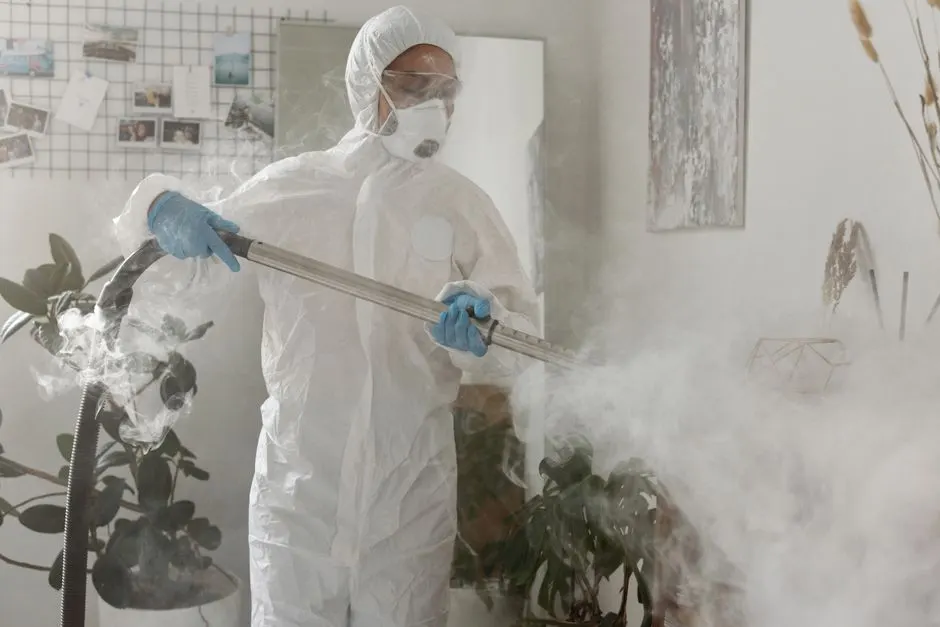
Real experiences from customers who chose our Sewage Backup Cleanup services.
“Our basement filled with sewage after a storm in July. Mold Removal Philly had a crew here in about an hour. They pumped everything out, cut the wet drywall, and ran dehumidifiers for four days. The smell was gone by day two. They also documented everything for our insurance claim, which made the whole process easier.”
Maria R.
Homeowner, Fishtown
“I manage three rental units and one had a sewer backup that flooded the ground floor. The crew was professional, explained the scope upfront, and finished drying in five days. They installed vapor barrier in the crawl space and replaced the wet drywall. My tenants were back in the unit within a week.”
Darnell W.
Landlord, West Philadelphia
“A grease clog caused a backup in our kitchen on a Friday night. They came out after hours, extracted the water, and disinfected the whole kitchen so we could pass inspection and reopen Monday. The Xactimate documentation they gave my insurer was spot on. Could not have asked for a faster turnaround.”
Tony C.
Restaurant Owner, East Passyunk
Real answers to the questions we hear most often from local homeowners and property managers.
After a sewage backup, we test for mold spores in the air and on surfaces before rebuild. Our inspection uses moisture meters, thermal imaging camera scans, and lab samples to confirm whether the space is truly clean.
View Mold Inspection and TestingSewage backups often trigger mold growth within 48 hours. Our remediation crews remove affected materials, treat framing with antimicrobial coating, and run HEPA air scrubbers until clearance testing passes.
View Mold RemediationBlack mold is common after sewage backups in Philadelphia rowhouses, especially in basements and wall cavities. We contain the area, remove contaminated drywall, and treat structural wood before rebuilding.
View Black Mold RemovalHomeowners across Philadelphia County call us after backups to remove mold from basements, bathrooms, and living spaces. We work around your family's schedule and keep containment tight.
View Residential Mold RemovalRestaurants, offices, and retail spaces in Center City and beyond need fast mold removal after a sewage event. We work after hours to keep your business running and document everything for your insurer.
View Commercial Mold RemovalSewage backups rarely reach attics, but the humidity they create can. We inspect attic condensation issues and remove mold growth before it spreads into roof decking and insulation.
View Attic Mold RemovalCall +1 2152813400 or email info@moldremovalphilly.com and we will schedule an inspection, usually the same day if you reach us before noon. Water emergencies get 24/7 response. We serve every neighborhood in Philadelphia County, from Center City to Northeast Philadelphia.
Phone
+1 2152813400Address
Pearson Avenue, Unit A Philadelphia, PA 19114
Hours
Mon–Fri: 7AM – 7PM
Sat: 8AM – 4PM
Sun: Emergency Only
24/7 Emergency Available