Logo
Get Estimate

Post-Remediation Verification and Clearance Testing Philadelphia PA

Independent clearance testing that proves the mold job actually worked


When a remediation crew packs up and leaves, the job is not finished until someone proves the mold is gone. Our post-remediation verification and clearance testing Philadelphia PA service gives you third-party air and surface samples, lab results you can hand to a landlord, buyer, or insurer, and a written clearance report. We serve homeowners, property managers, and contractors across Philadelphia County who need documented proof before anyone moves back in.

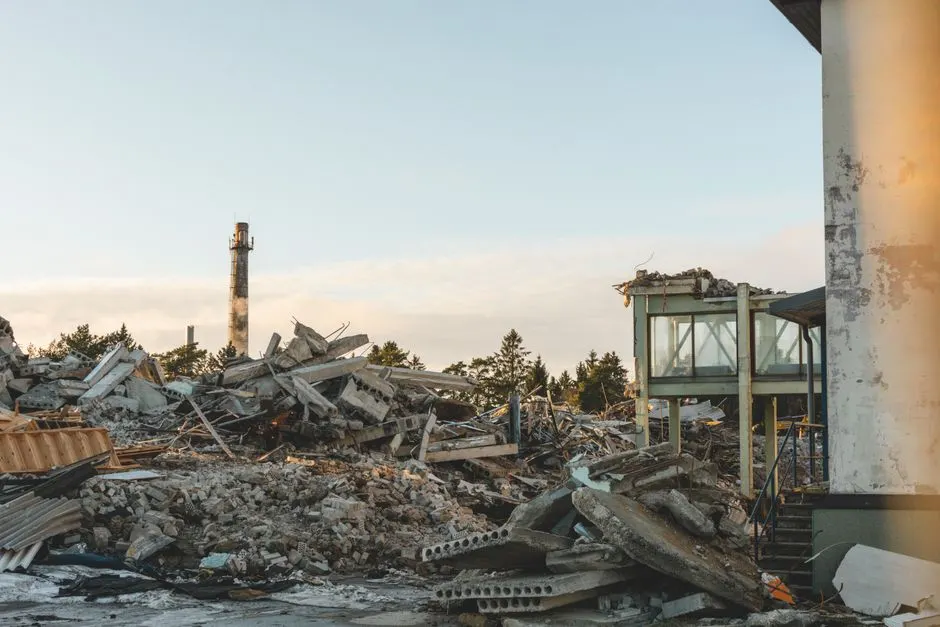
A dramatic scene of urban demolition with rubble and a standing tower under a clear sky.
Licensed Licensed & Bonded
Fully Insured Insured & Bonded
24/7 Emergency Same-Day Response
Warranty Backed 11+ Years Trusted in Philadelphia

What's Included in Every Clearance Visit

Every clearance testing visit includes the site inspection, sampling, lab analysis, and a written report. Here is what you get, and what we handle as an add-on when the job calls for it.

Full Visual Inspection

We walk the entire work area and adjacent spaces, checking for visible growth, staining, and water damage the remediation crew may have missed. We inspect containment removal, plastic sheeting, and the condition of any encapsulation liner or vapor barrier.

Moisture Verification

A moisture meter and thermal imaging camera check framing, subfloor, and wall cavities against dry standard for the building type. If readings are elevated, we flag it before sampling, because wet materials almost always fail clearance.

Air and Surface Sampling

Calibrated air pumps collect a set volume of air indoors, plus one outdoor control sample. We swab surfaces the crew treated, including joists, sill plates, drywall edges, and duct interiors where HVAC contamination is suspected.

Accredited Lab Analysis

Samples ship to a third-party accredited lab for spore identification and counting by genus. Standard turnaround is 24 to 48 hours. Rush analysis is available for closings, re-occupancy deadlines, or insurance timelines.

Written Clearance Report

You receive a report with sample locations, chain-of-custody documentation, raw lab data, moisture readings, and a pass or fail determination. If it fails, the report identifies exactly where and what needs re-cleaning.

Re-Test Scheduling

If the first clearance fails, we schedule a re-test after the remediation crew addresses the flagged areas. Re-tests are priced at a reduced rate, and we sample the same locations so you can compare results directly.

What Post-Remediation Verification and Clearance Testing Philadelphia PA Covers


Post-remediation verification and clearance testing Philadelphia PA is the independent inspection step that happens after mold removal is finished and before a space is declared safe. A certified technician walks the work area, confirms containment came down clean, checks that moisture readings are back to normal dry-standard levels, and runs air samples through spore traps plus surface swabs on framing, drywall, and HVAC registers. Those samples go to an accredited lab, and the results tell you whether spore counts inside match outdoor baseline counts.

In Philadelphia, this step matters because rowhouses, finished basements, and century-old stone foundations hide moisture in places a visual walkthrough misses. We see it constantly in Fishtown and Port Richmond, where a sump pit fails during a spring storm and water wicks into a party wall. If you skip verification, you are trusting the same crew that did the work to grade its own homework. That is why so many local buyers, landlords, and insurance adjusters now ask for clearance testing Philadelphia before they sign off.

How Our Verification Process Works

Five steps, one visit for most homes, and a written report with lab numbers. Here is exactly what happens from the moment you call.

01

Schedule

Call or book online — a real human picks up and confirms a 2-hour arrival window.

02

Diagnose

Licensed tech inspects on-site, then walks you through the cause and your options.

03

Fix

The job is completed to code and done right the first time — no shortcuts, no surprises.

04

Guarantee

Every job backed by a written workmanship warranty — and we stand behind it.

Tools and Methods We Use for Verification

Tools & Equipment

Thermal imaging camera

Detects temperature differences that reveal hidden moisture behind walls, under floors, and around foundation leaks. We use it before sampling to find the spots most likely to fail clearance.

Moisture meter

Takes pin and pinless readings on framing, drywall, subfloor, and slab to confirm materials are back to dry standard. Wet readings stop the clearance process until the structure dries.

Boroscope

Slides into wall cavities, duct interiors, and crawl spaces to inspect areas the eye cannot reach. It is how we catch residual growth behind vapor barriers and encapsulation liners.

Calibrated air sampling pump

Draws a set volume of air through a spore trap cassette for lab analysis. Calibration matters because the lab calculates spores per cubic meter from the volume pulled.

HEPA vacuum

Used during re-test prep and to clean sampling equipment between jobs. HEPA filters capture particles down to 0.3 microns, which keeps cross-contamination out of your samples.

Dri-Eaz and Phoenix Restoration Equipment dehumidifiers

When moisture readings are elevated during verification, these units bring humidity down to dry standard so the space can be re-sampled and cleared.

N95 respirator and personal protective equipment

Our technicians wear N95 respirators, gloves, and eye protection during every inspection. If sampling stirs up spores, we are not breathing them, and neither are you.

Methods & Standards

IICRC S520 clearance protocol

We follow the IICRC S520 standard for mold remediation, which defines when a project is considered complete. That means visual inspection, moisture verification, and air sampling compared to an outdoor control before any clearance is issued.

Outdoor control comparison

Every clearance job includes an outdoor air sample taken at the same time as indoor samples. The lab compares indoor spore counts to that outdoor baseline. If indoor counts match or fall below outdoor levels, the space passes.

Surface swab sampling

We swab treated surfaces like joists, sill plates, drywall edges, and duct interiors. Surface sampling catches residual growth that air sampling alone can miss, especially on porous materials.

Moisture mapping

We map moisture readings across the work area and adjacent spaces to confirm the entire structure is dry, not just the spot the remediation crew focused on. Hidden wet zones are the most common cause of clearance failure.

When Philadelphia Clients Call Us for Clearance

01

A homeowner in Port Richmond had a basement remediated after a sump pump failure and needs proof before finishing the space.

What we do: We inspect the basement with a moisture meter and thermal camera, sample wall cavities and floor joists, and run air sampling with an outdoor control. If it passes, we issue a report the homeowner can keep with their records.

→ The homeowner gets documented clearance, finishes the basement with confidence, and has a report on file if they ever sell.

02

A real estate agent in Queen Village has a closing in five days and the buyer's inspector flagged prior mold remediation in the attic.

What we do: We schedule a rush inspection, sample the attic sheathing and rafters, and request same-day lab processing. If growth is found, we document it so the seller can negotiate or remediate before closing.

→ The buyer gets a clear answer, the closing stays on the calendar, and the price is adjusted fairly based on lab data.

03

A property manager in University City needs clearance reports for six rental units after a sewage backup was cleaned.

What we do: We sample all six units in one visit, including surface swabs after disinfection and air samples with an outdoor control. Reports are formatted for the lender handling the refinance.

→ All six units pass clearance, the refinance moves forward, and the manager has documentation for each unit on file.

04

A restaurant owner in Chinatown had HVAC mold remediation done and needs clearance before reopening to the public.

What we do: We sample duct interiors and registers, run air sampling in the dining and kitchen areas, and confirm the system was sealed and cleaned. We also check that moisture readings in the kitchen are dry.

→ The restaurant passes clearance, reopens on schedule, and has a report to show the health inspector if questions come up.

05

A homeowner in Mount Airy had a crawl space encapsulated and mold removed, and wants to confirm the job is complete before the contractor gets final payment.

What we do: We inspect the encapsulation liner seams, sample the crawl space cavity, and check humidity levels. If anything is off, we document it so the contractor can correct it before final payment.

→ The homeowner confirms the job passed, releases final payment with confidence, and has a report for their records.

How Clearance Testing Runs in Philadelphia

Philadelphia is a city of rowhouses, twins, and century-old masonry, and that shapes how we verify mold jobs. Brick party walls wick moisture sideways, stone foundations seep after heavy rain, and finished basements in Fishtown and Port Richmond flood every time the Schuylkill crests. Attic condensation on roof sheathing is common in older homes with poor ventilation, and HVAC contamination spreads fast in sealed-up rowhouses with no cross-ventilation. We schedule clearance testing services Philadelphia, Pennsylvania clients can rely on within 24 hours, and we know which ZIP codes flood first. If you need affordable post-remediation verification Philadelphia PA without cutting corners, we sample the spots that actually fail: crawl space joist ends, vapor barrier seams, duct interiors, and the bottom plate of basement walls. Our reports are accepted by lenders, insurers, and code officers across Philadelphia County, and we work in every neighborhood from Center City to Northeast Philadelphia.

Neighborhoods We Serve

  • Fishtown

    Finished basements and converted industrial spaces flood often. We sample wall cavities and check sump systems, because ground moisture here is relentless.

  • Queen Village

    Historic rowhouses with stone foundations and brick party walls. Moisture wicks sideways, so we sample adjacent units and shared walls, not just the work area.

  • Mount Airy

    Larger older homes with attics and crawl spaces. Attic condensation and crawl space moisture are the two most common failure points we see here.

  • University City

    Rental housing and multi-unit buildings. We handle multi-unit clearance in one visit and format reports for property managers and lenders.

  • Northeast Philadelphia

    Post-war rowhouses with finished basements. Sump pump failures and foundation leaks drive most of the mold jobs we verify in this part of the city.

Local Conditions We Plan For

  • Schuylkill and Delaware River flooding

    Flood events push water into basements across the city, and mold follows within 24 to 48 hours. After cleanup, clearance verification confirms the structure dried fully before rebuild.

  • Humid summers and sealed rowhouses

    Philadelphia summers hold humidity above 70 percent for weeks. Without cross-ventilation, spores stay airborne longer, so air sampling is essential to confirm clearance.

  • Freeze-thaw cycles on masonry

    Winter freeze-thaw opens cracks in brick and stone, letting water into wall cavities. We sample those cavities during verification because growth often starts there and spreads inward.

  • Aging HVAC systems in older homes

    Older ductwork leaks and recirculates spores. We sample duct interiors and registers on every clearance job where the HVAC system serves the remediated space.

Fishtown Basement Fails First Clearance

Before

A homeowner had a finished basement remediated after a sump pump failure. The crew removed moldy drywall, treated framing, and reinstalled board. A first clearance attempt by another company passed, but musty odors returned within three weeks and the homeowner called us.

After

We inspected with a thermal camera and found elevated moisture behind the vapor barrier along the party wall. Surface swabs confirmed residual growth. The original crew corrected it under warranty, and our re-test passed with indoor spore counts below the outdoor control.

Maintenance: We recommended a sump pump with battery backup and a dehumidifier set to 50 percent relative humidity. The homeowner checks the pit monthly and has had no recurrence in two years.

Before

A buyer's inspector flagged old water staining on attic sheathing in a Queen Village rowhouse. The seller claimed it had been remediated years earlier but had no documentation. The closing was five days out and the lender wanted proof.

After

We ran a rush inspection, sampled the sheathing and rafters, and requested same-day lab processing. Results showed active growth on two rafter bays. The seller credited the buyer $4,200, remediation was completed, and our re-test cleared the attic before closing.

Maintenance: We recommended fixing the roof leak that started it all and adding ridge venting. The buyer now checks the attic each spring after the first warm week.

Before

A property manager had a sewage backup cleaned in six rental units and needed clearance reports for a lender refinance. The cleanup crew provided no documentation, and the lender would not release funds without third-party verification.

After

We sampled all six units in one visit, including surface swabs after disinfection and air samples with an outdoor control. All six passed. Reports were delivered in 48 hours and the refinance closed on schedule.

Maintenance: We recommended annual sump pump inspections and backwater valves on the lowest units. The manager now schedules clearance verification after every water event, not just at refinance time.

Problems Our Verification Catches Before They Cost You

Most clearance failures trace back to the same handful of issues. Here is what we find, what it costs you if it goes unnoticed, and how we fix the record.

Problem

Residual growth behind vapor barrier seams

Spores keep releasing into living space, musty odors return within weeks, and a future home inspection flags the property again. You pay twice for remediation.

Our Fix

We use a boroscope and thermal imaging camera to inspect behind barriers and inside wall cavities before sampling. If growth is present, we document it with photos and lab data so the original crew can correct it under their warranty.

Problem

Elevated moisture in framing after remediation

Mold regrows on damp wood within 48 hours of a humidity spike. A clearance report issued on wet framing is worthless and can expose you to liability if a tenant or buyer gets sick.

Our Fix

We take moisture meter readings on framing, subfloor, and bottom plates against dry standard for the building type. If readings are high, we stop the sampling and tell you what needs to dry before we proceed.

Problem

Contaminated HVAC ductwork left uncleaned

Every time the system runs, it spreads spores through the house. Air samples in the occupied space fail even when the walls are clean, and occupants keep getting sick.

Our Fix

We sample duct interiors and registers directly. If contamination is present, we recommend duct cleaning and re-test after the system is sealed and cleaned, so final air samples reflect the real indoor environment.

Problem

No documentation for lenders or insurers

Without a clearance report, a lender can hold up a closing, an insurer can deny a claim, and a landlord can face code violations. Verbal assurances do not satisfy any of them.

Our Fix

Our written clearance report includes sample locations, chain-of-custody, raw lab data, and a pass or fail determination. It is formatted for lenders, insurers, and code officers, and we have never had one rejected on documentation grounds.

Why Independent Clearance Testing Matters

Why Independent Clearance Testing Matters

A remediation sticker on the furnace does not prove the mold is gone. Lab data does. Here is what documented clearance actually gets you in Philadelphia.

  • Lab-Backed Proof

    Air and surface samples processed by an accredited lab give you spore counts per cubic meter, not a verbal thumbs-up. If indoor counts sit at or below outdoor baseline, you have a defensible clearance report. That report is what a real estate attorney, a lender, or a commercial tenant will actually accept.

  • Protects Your Sale

    Philadelphia home sales stall when a buyer's inspector flags prior water damage. A completed post-remediation verification services Philadelphia PA report closes that loop. We have cleared basements in Queen Village and Bella Vista in under 48 hours so closings stayed on the calendar instead of getting pushed a month.

  • Catches Missed Growth

    Mold hides behind vapor barrier seams, inside wall cavities, and on the back side of mold resistant drywall. We use a boroscope and thermal imaging camera to look where the eye cannot. Roughly one in five jobs we verify turns up residual growth the original crew never saw, usually near a foundation leak or crawl space moisture source.

  • Clears the Air for Occupants

    Musty odors and elevated spore counts hit hardest in sealed-up rowhouses with no cross-ventilation. Once clearance passes, you can run the HVAC without recirculating contamination. We verify duct interiors and registers too, because HVAC contamination is one of the most common reasons a first clearance attempt fails.

What Clearance Testing Costs in Philadelphia

Typical 2026 pricing for post-remediation verification and clearance testing in Philadelphia runs $350 to $750 for a standard residential job with two to four samples. Commercial and multi-unit properties run $800 to $2,500 depending on square footage and sample count. Rush lab processing adds $75 to $150. You get the price before we schedule, and it covers the site visit, lab fees, and the written report. There are no surprise add-ons after the fact.

Typical Investment Range

$350 - $2,500 depending on scope

A clearance report is the document that protects your sale, your refinance, your re-occupancy, and your liability. Compared to redoing a failed remediation, the cost of verification is small. We quote upfront and never add fees after the visit.

What changes the price

01

Square footage

Larger spaces need more air samples and more surface swabs to cover the area properly. A 900-square-foot condo may need two samples; a 40,000-square-foot warehouse may need twenty or more.

02

Number of sample points

Each air sample and surface swab carries a lab fee. More sample points give a more complete picture but raise the total. We recommend the minimum needed to produce a defensible report.

03

Rush lab turnaround

Standard lab results take 24 to 48 hours. Same-day or next-morning processing adds $75 to $150, which is worth it when a closing or re-occupancy deadline is tight.

04

Property type

Single-family homes are straightforward. Multi-unit buildings, restaurants, and commercial spaces take longer to inspect and sample, and reports may need to be formatted for lenders or health departments.

05

Re-test after failure

If the first clearance fails, a re-test is needed after the remediation crew corrects the flagged areas. Re-tests are priced at a reduced rate, and we sample the same locations so results compare directly.

06

Access and containment

Crawl spaces, attics, and sealed containment areas take longer to inspect safely. If personal protective equipment and additional setup are needed, that time is factored into the quote.

Credentials and Reviews

Licensed & Certified

  • IICRC WRT (Water Restoration Technician) — issued by Institute of Inspection, Cleaning and Restoration Certification
  • IICRC AMRT (Applied Microbial Remediation Technician) — issued by Institute of Inspection, Cleaning and Restoration Certification
  • ACAC Certified Microbial Consultant — issued by American Council for Accredited Certification
  • EPA Lead-Safe Certified Firm — issued by U.S. Environmental Protection Agency
  • OSHA 10-Hour Construction Safety — issued by Occupational Safety and Health Administration

Verified Reviews

Google ★★★★★4.9

They found mold behind the vapor barrier that the first crew missed. The lab report was clear and the original company came back and fixed it under warranty. Re-test passed. Straightforward and honest.

Yelp ★★★★★4.8

Scheduled next day for a clearance test on our rental property. Samples were taken properly with an outdoor control, and results came back in 48 hours. The report was exactly what our lender needed.

BBB ★★★★★4.9

We used them for post-remediation verification before buying a house in Queen Village. They found active growth in the attic and we negotiated the price down. Professional, thorough, and worth every dollar.

Google ★★★★★5.0

Restaurant HVAC remediation needed clearance before reopening. They sampled the ducts and registers, confirmed the system was clean, and we reopened on schedule. No issues with the health inspector.

Verification Experience You Can Check

Mold Removal Philly has been operating in Philadelphia since 2015, which puts us at 11 years of local remediation and verification work as of 2026. Our technicians hold IICRC WRT and IICRC AMRT credentials, and we work to the IICRC S520 standard for mold remediation and the S500 standard for water damage. We have verified jobs in rowhouses, twins, high-rises, schools, restaurants, and warehouses across Philadelphia County. Because we also perform remediation, we know exactly where crews cut corners, and we sample those spots first.

  • IICRC WRT and AMRT certified technicians on every verification visit
  • 11 years serving Philadelphia County, from Center City high-rises to Northeast rowhouses
  • Third-party accredited lab analysis, never in-house testing
  • Thermal imaging camera and boroscope used on every inspection
  • Written clearance reports accepted by lenders, insurers, and code officers
Get Started Today
Verification Experience You Can Check

What Philadelphia Clients Say

Real experiences from customers who chose our Post-Remediation Verification and Clearance Testing services.

“Our basement flooded in the spring and the remediation crew said everything was fine. Mold Removal Philly came out for clearance testing and found growth behind the vapor barrier the first crew missed. They documented it with lab numbers, we had the original company come back and redo it, and the second clearance passed. Worth every dollar.”

D

Danielle R.

Homeowner, Fishtown

“I manage six rental units and needed clearance reports for a lender after a sewage backup. They scheduled within a day, sampled all six units, and had lab results back in 48 hours. The reports were formatted exactly how the bank wanted them. No back-and-forth, no delays on the refinance.”

M

Marcus T.

Property Manager, University City

“Our home inspection flagged old water damage in the attic, and the seller claimed it was remediated years ago. We hired them for post-remediation verification and clearance testing before closing. They found active growth on the roof sheathing and we negotiated $4,200 off the price. The report was clear and easy to understand.”

P

Priya S.

Home Buyer, Queen Village

Frequently Asked Questions

Real answers to the questions we hear most often from local homeowners and property managers.

How much does clearance testing cost in Philadelphia PA?
Most residential clearance testing in Philadelphia runs $350 to $750 for a standard two-to-four sample job, and commercial or multi-unit properties run $800 to $2,500 depending on square footage and sample count. Rush lab processing adds $75 to $150. You get the price before we schedule, and it covers the site visit, lab fees, and the written clearance report.
What is post-remediation verification in Philadelphia?
Post-remediation verification is the independent inspection that confirms a mold removal job actually worked. A certified technician checks moisture levels, inspects hidden cavities with a boroscope and thermal camera, then collects air and surface samples for lab analysis. The lab compares indoor spore counts to an outdoor control. If indoor counts match or fall below outdoor levels, the property passes clearance.
How long does clearance testing take in Philadelphia?
The on-site inspection takes 45 to 90 minutes for most homes, and standard lab results come back in 24 to 48 hours. Rush analysis can return same-day or next-morning. From phone call to written report, most Philadelphia clients have clearance documentation in hand within three business days, and emergency jobs can compress that to 24 hours.
Do I need clearance testing after mold remediation in Pennsylvania?
Pennsylvania does not license mold remediation at the state level, so no single agency mandates clearance. But lenders, insurers, landlords, and commercial tenants routinely require it, and it is the only way to prove the work passed. If you are selling, renting, or re-occupying a space after remediation, a clearance report is the document that protects you.

Related Services

Mold Inspection and Testing

Before remediation starts, mold inspection and testing identifies the species and scope. That baseline is what we compare against during post-remediation verification and clearance testing, so the two services work as bookends on the same project.

View Mold Inspection and Testing

Mold Remediation

Remediation removes the growth; verification proves it is gone. If you need both, we handle the removal and then run an independent clearance check with lab samples, so you get one accountable team from start to signed report.

View Mold Remediation

Black Mold Removal

Black mold jobs carry the highest scrutiny from buyers and insurers. After removal, we verify with air and surface sampling specifically targeting toxigenic genera, and we document the results in a clearance report that stands up to lender review.

View Black Mold Removal

Residential Mold Removal

Homeowners in rowhouses and twins need clearance before moving furniture back into a basement or attic. We verify residential jobs with moisture readings and lab samples, then hand you a report you can keep with your home records.

View Residential Mold Removal

Commercial Mold Removal

Commercial remediation usually requires documented clearance before re-occupancy. We verify offices, restaurants, and warehouses across Philadelphia County with multi-point sampling and a report formatted for property managers and insurers.

View Commercial Mold Removal

Attic Mold Removal

Attic condensation on roof sheathing is a common Philadelphia problem. After removal, we verify attic clearance with surface swabs on rafters and sheathing plus air sampling, and we confirm ventilation is actually moving air before we sign off.

View Attic Mold Removal

Book Post-Remediation Verification and Clearance Testing Philadelphia PA

Call +1 2152813400 and we will schedule your inspection, usually within 24 hours. You get independent lab results, a written clearance report, and a straight answer on whether the job passed. No rubber stamps.

Call Now Schedule Inspection

Contact Mold Removal Philly

Call +1 2152813400 or email info@moldremovalphilly.com and we will schedule an inspection, usually the same day if you reach us before noon. Water emergencies get 24/7 response. We serve every neighborhood in Philadelphia County, from Center City to Northeast Philadelphia.

Or call us right now at +1 2152813400 — we answer.

Mold Removal Philly


  • Address

    Pearson Avenue, Unit A Philadelphia, PA 19114

  • Hours

    Mon–Fri: 7AM – 7PM
    Sat: 8AM – 4PM
    Sun: Emergency Only
    24/7 Emergency Available

Call +1 2152813400 Get Quote
Call Quote