
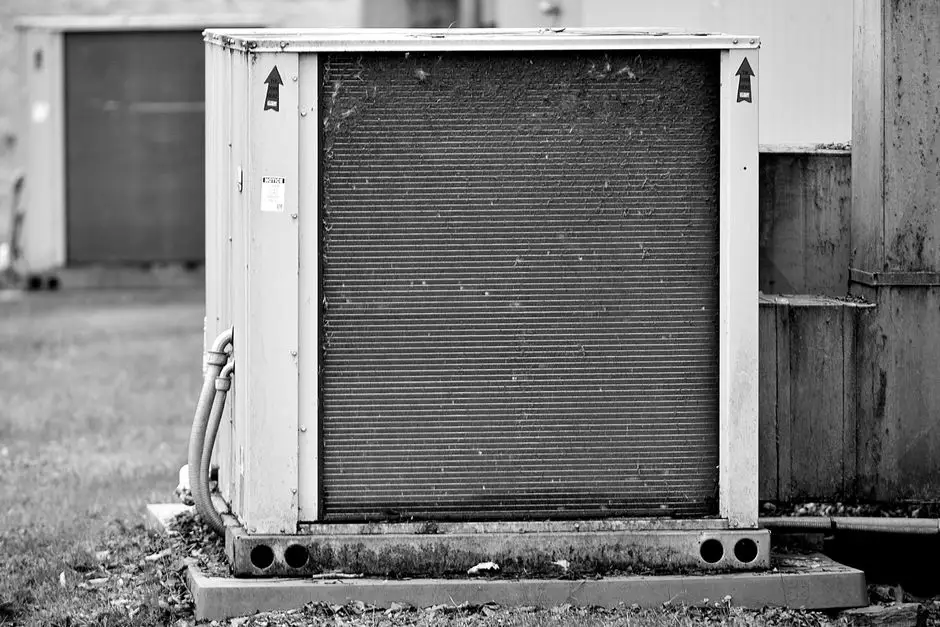
Full system inspection
Thermal imaging, moisture meter readings, and a boroscope pass through the air handler and trunk line. We document every contaminated surface with photos and give you a written scope the same day.
Every job starts with an inspection and ends with a clearance test. The scope below covers a standard residential system. Larger commercial units, multiple air handlers, or duct replacement add line items, and we price those upfront before work starts.
Thermal imaging, moisture meter readings, and a boroscope pass through the air handler and trunk line. We document every contaminated surface with photos and give you a written scope the same day.
Negative air machine at the plenum, air scrubber with HEPA filters in the room, and sealed registers. This keeps spores out of your living space while we work and is required under the IICRC S520 standard.
We clean or pull the evaporator coil, scrub the blower wheel, and treat the condensate pan with Fiberlock and RMR-86. The drain trap gets cleared so water flows instead of pooling and feeding new growth.
Fiberglass duct liner that has been colonized cannot be cleaned. We cut it out, bag it, and dispose of it properly. Where the plenum box was wet, we rebuild with mold resistant drywall and seal the joints.
After mechanical cleaning, we fog the entire system with Concrobium or Benefect to reach seams, corners, and duct runs a brush cannot touch. This is the step that kills residual spores rather than just removing visible growth.
Air sampling compared to an outdoor baseline, plus a written clearance report. This is the document your insurance adjuster, buyer, or landlord will ask for, and it is included in every job.
HVAC Mold Removal in Philadelphia is the process of locating, containing, and removing fungal growth from every wet surface inside a forced-air system, then restoring the equipment so it stops feeding the colony. Mold grows on the evaporator coil, the drain pan, the blower wheel, the fiberglass duct liner, and the flexible duct runs in basements and crawl spaces. We open the plenum, run a boroscope down the trunk line, and take moisture readings at each register. If the pan is holding standing water or the coil is fouled, that is the source, and cleaning the grille alone will not fix it.
Philadelphia homes get hit from both sides. Summers push dew points into the 70s, so a coil that runs all day sweats constantly, and the drain line clogs with biofilm. Then winter arrives, and the same ducts carry warm air past cold attic runs in Roxborough and Chestnut Hill, where condensation forms inside the insulation. Rowhouse returns in Kensington and Port Richmond pull air from damp basements, so the system recirculates spores through every floor. If you have been searching for HVAC mold removal in Philadelphia PA near me after a musty smell that will not quit, the fix starts with finding which of those three conditions is feeding your system.
We run the same sequence on every job, from a single-family rowhouse in Fishtown to a 40-unit building in University City. Here is what you can expect from the first call to the clearance test.
Schedule
Call or book online — a real human picks up and confirms a 2-hour arrival window.
Diagnose
Licensed tech inspects on-site, then walks you through the cause and your options.
Fix
The job is completed to code and done right the first time — no shortcuts, no surprises.
Guarantee
Every job backed by a written workmanship warranty — and we stand behind it.
Thermal imaging camera
Finds hidden moisture in plenum walls, closet floors, and duct chases without cutting into the structure. It shows us where the water is coming from before we start remediation.
Boroscope
Lets us see inside the trunk line and air handler without full disassembly. We use it to map how far the growth has spread and to confirm the system is clean at the final walkthrough.
Negative air machine
Creates negative pressure at the plenum so spores travel out through a HEPA filter instead of into your living room. Required for containment under the IICRC S520 standard.
Air scrubber with HEPA filters
Runs continuously in the mechanical room to capture airborne spores during cleaning. We size it to the room volume, typically one unit per 500 cubic feet of workspace.
HEPA vacuum
Removes settled spores from coil fins, blower wheels, and duct surfaces without blowing them back into the air. Standard equipment on every job, residential or commercial.
Dehumidifier
Pulls moisture out of the mechanical room and ductwork after cleaning. Keeping the space below 50 percent relative humidity is what stops regrowth while the system is offline.
Fogger
Applies Concrobium or Benefect as a fine mist that reaches seams, corners, and duct runs a brush cannot. This is the final kill step before verification.
IICRC S520 remediation standard
The industry standard for mold remediation, covering containment, removal, cleaning, and verification. We follow it on every job so the work holds up to third-party review and insurance scrutiny.
Source-first moisture correction
We fix the water before we treat the mold. That means clearing the condensate trap, repairing the pan, sealing duct joints, or correcting attic ventilation. Remediation without source correction fails within a season.
Physical removal over chemical treatment
Porous materials like duct liner and wet drywall come out. We do not encapsulate contaminated liner and call it clean. Removal is the only method that reliably eliminates the food source.
Post-remediation verification
Air sampling compared to an outdoor baseline, plus a visual inspection of every surface we touched. You get the lab report in writing, which is what lenders, landlords, and buyers actually want to see.
01
What we do: We inspected with a moisture meter, found the flex duct jacket colonized, and removed the affected run. The basement got a vapor barrier and the duct was rerouted higher off the floor.
→ Air sampling came back at outdoor baseline, and the musty smell on the first floor disappeared within a day of the system restarting.
02
What we do: The evaporator coil was fouled and the drain pan was holding water. We cleaned the coil, cleared the trap, treated the pan, and fogged the air handler with Benefect inside a contained mechanical closet.
→ The odor was gone the same afternoon, and a 30-day follow-up air test confirmed no regrowth.
03
What we do: Boroscope inspection showed growth in the trunk line downstream of a leaking attic air handler. We remediated the unit, replaced the contaminated liner, and cleaned the branch runs with HEPA equipment.
→ The clearance report satisfied the tenant and the city inspector, and the unit passed a follow-up air quality test two weeks later.
04
What we do: Category 3 water means the coil and duct liner are not salvageable. We removed and disposed of the contaminated components, disinfected the plenum, and documented everything for the insurance claim.
→ The homeowner got a full equipment replacement covered, and the new system was installed on a raised platform with a backflow preventer on the drain.
Philadelphia is a rowhouse city, and that shapes every HVAC mold job we run. Most homes here have the air handler in a basement or a closet, with return ducts pulling air from a damp cellar or a crawl space. Summer dew points sit in the 70s for weeks, so evaporator coils sweat constantly and drain pans clog with biofilm. Winter flips the problem: warm supply air running through cold attic ducts in Roxborough and Chestnut Hill condenses inside the insulation. Add the city's pre-1978 housing stock, which triggers EPA Lead-Safe work practices, and the shared mechanical shafts in Center City high-rises, and you get a set of conditions you will not find in a suburban ranch house. We plan containment around all of it. If you need emergency HVAC mold removal Philadelphia after a sewage backup or a burst pipe, we keep crews on call 24/7 and can usually be on site within a few hours anywhere in Philadelphia County. ZIPs like 19152, 19153, and 19102 get the same response as the Northeast.
Fishtown and Kensington
Rowhouse basements with return ducts close to the floor. Damp cellars here feed mold into the system year-round, so we often pair remediation with a vapor barrier.
Chestnut Hill and Mount Airy
Attic air handlers in older single-family homes. Winter condensation on cold duct runs is the main driver, and we correct insulation and ventilation alongside remediation.
Center City and Rittenhouse
High-rise mechanical closets and shared shafts. Containment has to seal a chase that other units also use, which takes planning before we open the plenum.
University City and West Philadelphia
A mix of student rentals and owner-occupied twins. Landlord documentation and clearance reports matter here, so we photograph and test everything.
Manayunk and Roxborough
Hillside homes that take on water during heavy rain. Flooded basement air handlers usually need replacement, and we document the loss for insurance.
Summer dew points in the 70s for weeks
Evaporator coils stay wet around the clock, and drain pans grow biofilm fast. We treat pans and clear traps on every job so the system drains instead of pooling.
Pre-1978 rowhouse construction
Lead paint is common in older Philadelphia housing. We follow EPA Lead-Safe practices during demolition and disposal so remediation does not create a second hazard.
Basement and crawl space return ducts
Returns pull humid ground air straight into the system. Sealing duct joints and installing a vapor barrier is often the difference between a job that holds and one that fails.
Winter attic condensation
Warm supply air meeting a cold roof deck condenses inside duct insulation. We correct ventilation and insulation so the attic air handler stops sweating every January.
Mold in a forced-air system shows up in ways most homeowners do not connect to the ductwork. If any of these sound familiar, the air handler is the place to look first.
Problem
The odor is spores and volatile organic compounds blowing into every room. It gets worse over time as the colony spreads through the duct liner and into the branch runs.
Our Fix
We locate the growth with a boroscope, contain the system, and remove the contaminated liner and coil buildup. After fogging with Concrobium and installing new HEPA filters, the smell is gone at the source, not masked with fragrance.
Problem
Morning congestion, headaches, and itchy eyes that improve at work usually mean the air handler is circulating mold spores and dust mite allergens through the bedrooms all night.
Our Fix
Air quality testing confirms the spore load before we start. We remediate the coil and pan, seal the plenum, and verify with post-remediation sampling. Most families report symptom relief within a week of clearance.
Problem
Standing water is the growth medium. A clogged condensate line or a cracked pan keeps the system wet year-round, and mold returns within weeks of any surface cleaning.
Our Fix
We clear the trap, repair or replace the pan, and treat it so biofilm does not rebuild. Then we remediate the mold that already grew. Fixing the water source first is what makes the remediation last.
Problem
Black mold in HVAC removal Philadelphia PA is a containment job, not a wipe-down. Disturbing it without negative air spreads spores through the house and can contaminate furniture and carpets.
Our Fix
We set negative air and HEPA filtration before touching anything, remove contaminated components in sealed bags, and disinfect the plenum with RMR-86. Clearance testing confirms the spores are gone.
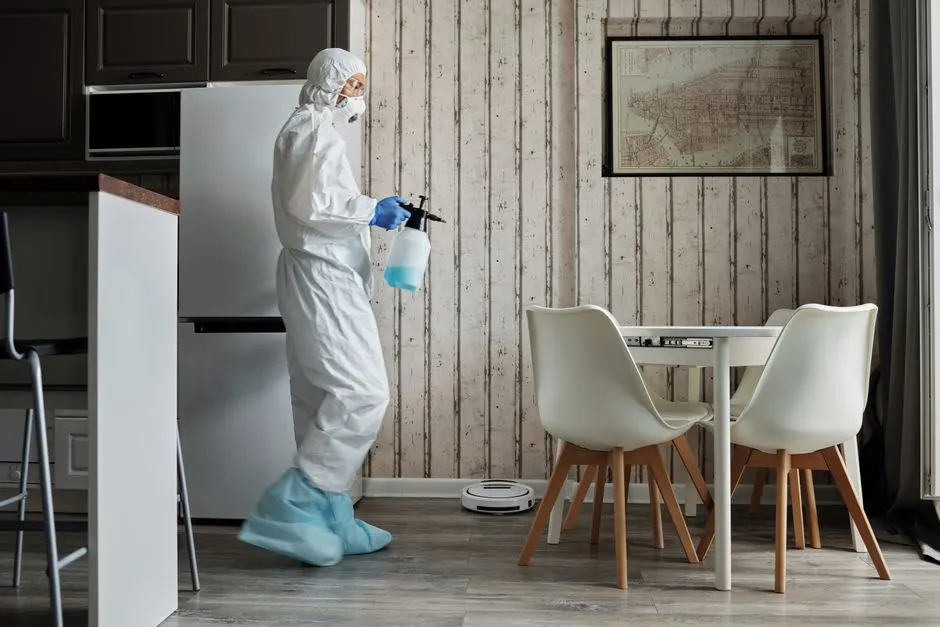
Mold inside a forced-air system does not stay put. Every heating cycle spreads spores through bedrooms, kitchens, and nurseries. Here is what changes once the system is clean and dry.
Breathing air gets cleaner
A contaminated air handler pushes spores into every room each time the blower kicks on. After HVAC mold cleanup Philadelphia PA, we install HEPA filters and seal the plenum so the system stops redistributing what it collected. Most customers notice the musty smell gone within 24 hours of the final fogging.
Allergy symptoms ease
Congestion, morning headaches, and itchy eyes that fade when you leave the house usually point at the ductwork, not the pollen count. Once the coil and pan are disinfected with Benefect and the liner is removed, families in Fairmount and Graduate Hospital tell us the morning sneezing stops within a week.
Equipment lasts longer
Mold eats the organic binder in duct liner and corrodes the coil fins. A $400 cleaning now protects a $7,000 system. We also clear the condensate trap and add a pan treatment so the drain stops backing up, which is the number one cause of repeat growth we see in Philadelphia.
Resale and inspection ready
Buyers and home inspectors flag visible growth in the air handler during a standard Philadelphia home inspection. A documented remediation with post-remediation verification and clearance testing gives you paperwork that satisfies a lender and a real estate attorney at closing.
Typical 2026 pricing in Philadelphia runs $600 to $2,400 for a residential system, with most single-unit rowhouse jobs landing near $1,200. Commercial rooftop units and multi-zone systems price higher because of access and equipment count. The number depends on how far the growth has spread, whether duct liner or flex runs have to be replaced, and how much containment the space requires. We inspect first, then give you a flat written price before any work begins. No hourly billing, no surprise line items.
Typical Investment Range
$600 - $2,400 for most residential systems; commercial and multi-zone pricing quoted on site
A full system remediation costs less than replacing an air handler, and far less than treating chronic respiratory symptoms. We fix the water source, remove the growth, and verify with a lab report, so the money you spend now does not get spent again next summer.
What changes the price
System size and zones
A single air handler is straightforward. Multi-zone systems, VAV boxes, and commercial rooftop units take longer to contain and clean, which raises labor and equipment time.
Duct liner replacement
Fiberglass liner that has been colonized cannot be cleaned. If we have to cut out and replace liner or flex duct runs, material and disposal add to the total.
Containment complexity
A sealed mechanical closet is simple. A shared shaft in a Center City high-rise or an attic unit with limited access takes more plastic, more time, and sometimes a second scrubber.
Source repair
If the drain pan is cracked, the trap is broken, or a supply line is leaking, that repair is part of the job. Fixing the water source is what makes the remediation last.
Testing and clearance
Air sampling before and after remediation is included in every quote. Additional third-party clearance testing, if you want it, is a small add-on and often required for rental properties.
Access and height
Attic units, rooftop equipment, and tight basement closets take longer to set up containment. We factor access into the quote so there are no surprises on the day.
Google ★★★★★4.9
They found mold on our coil that two other companies missed. Showed me the camera footage, explained the drain pan issue, and had the system clean in a day. Air test came back clear. Fair price and no upsell.
Yelp ★★★★★4.8
Called on a Tuesday about a musty smell in our Fishtown rowhouse. They were out Wednesday morning, contained the basement, and finished by afternoon. The clearance report was in my inbox that night. Professional crew.
BBB ★★★★★4.9
We manage several rentals in University City and use them for every HVAC mold issue. They document everything for the file, work around tenants, and the pricing is consistent. Never had a callback on a job they did.
Google ★★★★★5.0
Attic air handler was dripping into the insulation all winter. They fixed the ventilation, remediated the unit, and reinsulated the closet. My son's allergies are gone. Should have called them two years ago.
Mold Removal Philly has been working Philadelphia mechanical rooms since 2015, 11 years of rowhouse basements, attic air handlers, and commercial rooftop units. Our techs hold IICRC WRT and IICRC AMRT certifications, and we follow the IICRC S520 standard for mold remediation on every job. We carry a PA mold remediation license, OSHA training, and EPA Lead-Safe certification for pre-1978 housing, which covers most of Philadelphia. Every tech wears a N95 respirator and full personal protective equipment inside containment.
Real experiences from customers who chose our HVAC Mold Removal services.
“Every time the heat kicked on, my whole first floor smelled like a wet basement. Two other companies just cleaned the vents and it came back. Mold Removal Philly pulled the blower, showed me the black growth on the coil with a camera, and replaced the liner. Air test came back clean. Six months later, no smell.”
Danielle R.
Homeowner, Fishtown
“We had a rooftop unit feeding four apartments with visible growth in the plenum. They worked after hours so tenants were not disturbed, contained the whole mechanical room, and gave me the clearance report for our file. Insurance covered most of it with their Xactimate documentation. Straightforward crew.”
Marcus T.
Property Manager, University City
“Our attic air handler was dripping condensation onto the insulation all winter. They found it with a thermal camera in ten minutes. Remediated the unit, fixed the drain pan, and reinsulated the closet. My son's morning allergies cleared up within a week. Worth every dollar.”
Priya S.
Homeowner, Chestnut Hill
Real answers to the questions we hear most often from local homeowners and property managers.
Before any HVAC mold removal in Philadelphia, we run air samples and a boroscope inspection to confirm what is growing and where. The lab report gives you a baseline and tells us whether the contamination is limited to the air handler or has spread through the duct runs.
View Mold Inspection and TestingFull structural remediation for the walls, ceilings, and framing around a leaking air handler. If the plenum box or the closet floor has been wet for months, the drywall behind it is usually colonized too. We handle both in one containment setup.
View Mold RemediationBlack mold in HVAC removal Philadelphia PA calls for extra containment because Stachybotrys spores are heavier and settle into duct liner. We cut out contaminated liner, HEPA vacuum the plenum, and fog with Concrobium before reinstalling clean components.
View Black Mold RemovalRowhouse, twin, and single-family work across Philadelphia County. Most residential HVAC mold jobs start with a musty smell in one room and end with a full system clean, new filters, and a treated drain pan so the problem does not come back next summer.
View Residential Mold RemovalRooftop units, VAV boxes, and shared mechanical shafts in Center City office buildings and University City labs. We schedule after-hours so tenants are not affected, and we document everything for property managers and insurance carriers.
View Commercial Mold RemovalAttic air handlers in Chestnut Hill and Mount Airy condense in winter when warm supply air meets a cold roof deck. We remediate the unit and the surrounding sheathing, then correct the insulation and ventilation that caused the condensation.
View Attic Mold RemovalCall +1 2152813400 or email info@moldremovalphilly.com and we will schedule an inspection, usually the same day if you reach us before noon. Water emergencies get 24/7 response. We serve every neighborhood in Philadelphia County, from Center City to Northeast Philadelphia.
Phone
+1 2152813400Address
Pearson Avenue, Unit A Philadelphia, PA 19114
Hours
Mon–Fri: 7AM – 7PM
Sat: 8AM – 4PM
Sun: Emergency Only
24/7 Emergency Available