
Full leak inspection
Thermal imaging camera scan, moisture meter readings on every wall and the floor slab, and a boroscope look into suspect cavities. You get photos and a written scope with a fixed price.
Every job starts with a full inspection and a written scope. What follows depends on what your foundation is actually doing, but here is what is standard on a Philadelphia waterproofing job.
Thermal imaging camera scan, moisture meter readings on every wall and the floor slab, and a boroscope look into suspect cavities. You get photos and a written scope with a fixed price.
Gutter check, downspout extensions, and regrading where the soil slopes toward the foundation. This is the cheapest water you will ever keep out of a basement, and we do it before interior work.
Polyurethane injection on non-structural cracks, hydraulic cement and flexible membrane at the cove joint, and repointing on stone foundations where mortar has washed out.
Perimeter drain leading to a sump pit and pump sized for Philadelphia storm loads, with battery backup recommended. We run the pump through a full cycle before we call the job done.
20-mil encapsulation liner in crawl spaces, sealed to the walls and rim joists. In basements we add a vapor barrier and an antimicrobial coating on the masonry.
A Dri-Eaz or Phoenix Restoration Equipment dehumidifier on a drain line, sized to the cubic footage, holding the space under 50% relative humidity. We show you the target and how to check it.
Foundation waterproofing Philadelphia PA is the process of stopping groundwater and surface water from entering a basement or crawl space through the foundation walls, floor slab, or footing joints. It is needed when you see efflorescence, damp block, standing water after storms, or a musty odor that will not go away. The work combines exterior drainage correction, crack injection, interior drainage systems, and vapor barriers. We start with leak detection using a moisture meter and thermal imaging camera, then build a fix around what the foundation is actually doing.
Philadelphia sits on a mix of clay, schist, and fill, and the older housing stock here leaks in predictable ways. Stone foundations in Kensington wick water through mortar joints. Brick row homes in Queen Village get hydrostatic pressure pushing up through the cove joint after a heavy rain. Crawl spaces under rowhouses in Port Richmond stay at 70% or higher humidity year-round, which is exactly where mold starts. If you have been searching for foundation waterproofing in Philadelphia PA near me, the first step is a real inspection, not a sales pitch.
Five steps from the first call to a dry, verified basement. You get a written scope and a fixed price before we start.
Schedule
Call or book online — a real human picks up and confirms a 2-hour arrival window.
Diagnose
Licensed tech inspects on-site, then walks you through the cause and your options.
Fix
The job is completed to code and done right the first time — no shortcuts, no surprises.
Guarantee
Every job backed by a written workmanship warranty — and we stand behind it.
Thermal imaging camera
Finds temperature differences that reveal hidden moisture behind drywall, under slabs, and inside wall cavities without opening anything up.
Moisture meter
Takes pin and pinless readings on masonry, wood, and drywall so we can quantify how wet a wall is and prove it is dry after waterproofing.
Boroscope
A camera on a flexible probe that lets us look inside wall cavities and under floor framing to confirm where water is traveling.
Air scrubber and negative air machine
Filters airborne spores and holds containment under negative pressure when we are remediating mold alongside waterproofing work.
HEPA vacuum
Removes settled spores from framing, joists, and surfaces without blowing them back into the air.
Dri-Eaz and Phoenix Restoration Equipment dehumidifiers
Sized to the cubic footage of your basement or crawl space and set on a drain line to hold humidity under 50%.
Fogger
Applies disinfectant and antimicrobial coating into cavities and hard-to-reach areas after remediation and before we close walls.
IICRC WRT drying standards
We follow IICRC Water Restoration Technician standards for extraction, air movement, and moisture documentation, so drying is measured rather than guessed.
IICRC AMRT mold remediation protocol
Applied Microbial Remediation Technician protocol governs containment, removal, HEPA filtration, and clearance. It is the standard we hold ourselves to on every mold job tied to a foundation leak.
EPA Lead-Safe work practices
Most Philadelphia rowhouses predate 1978. We follow EPA Lead-Safe rules on painted surfaces, use personal protective equipment, and document the work.
Antimicrobial coating and encapsulation
After cleaning, we apply antimicrobial coating to masonry and install a vapor barrier or 20-mil encapsulation liner. This is what keeps mold from returning once the water source is gone.
Post-remediation verification
Air and surface sampling compared to an outdoor baseline confirms the space is clean before we close it up. You get the report for your records.
01
What we do: We inspect and waterproof first, then you build. We seal cracks, correct drainage, install a vapor barrier, and set a humidity target. If any mold is present, we remediate and get clearance before framing.
→ You frame over dry masonry with documentation showing the space was clean, so your finished basement does not have to come apart in two years.
02
What we do: We run 24/7 emergency water extraction, pull the standing water, set drying equipment, and assess the foundation while we are on site. Then we replace the pump and add a battery backup.
→ Water is out within hours, the structure dries without mold growth, and the new pump handles the next storm even if the power is out.
03
What we do: We test with a moisture meter and thermal camera, find the entry point, and waterproof it. If mold is already growing, we remediate with HEPA vacuuming and air scrubbers before sealing.
→ Humidity drops below 50%, the odor clears, and the spring rains stop being something you dread.
04
What we do: We inspect, document the moisture readings, and give you a written scope with a fixed price. If mold is present, we test and remediate, then provide clearance documentation for the transaction.
→ You know exactly what the foundation needs and what it costs before you close, with paperwork your lender and agent can use.
Philadelphia foundations are old, and they leak in ways that a generic waterproofing guide will not tell you about. Stone foundations in Kensington and Port Richmond wick water through mortar joints that have been wet for a century, so repointing comes before sealing. Brick rowhouses in Queen Village and Bella Vista get hydrostatic pressure pushing up through the cove joint after a heavy rain, which is why interior drainage beats exterior excavation on a lot of city lots. Crawl spaces under rowhouses in Grays Ferry and Point Breeze sit at 70% or higher humidity year-round, and that is where mold starts. Our crews work in ZIP codes 19154, 19151, and 19102 regularly, and we know how Philadelphia County inspectors want to see the work. If you have been looking for foundation waterproofing in Philadelphia PA near me, we will tell you on the first visit whether you need drainage, sealing, or both, and what it costs.
Fishtown
A mix of stone and brick foundations on narrow lots. Downspouts often discharge at the wall, so grading and downspout extensions solve a lot of the water before interior work.
South Philadelphia
Dense brick rowhouses with shared walls and shallow basements. Cove joint seepage after storms is the most common call, and interior drainage fits the tight access.
Roxborough
Homes on sloped lots where surface water runs toward the foundation. Swales and exterior grading correction do more here than interior sealing alone.
Northeast Philadelphia
Post-war housing with poured concrete basements and block walls. Cracks and failed exterior membrane are typical, and polyurethane injection handles most of them.
Clay-heavy soil that holds water against the foundation
Clay does not drain, so hydrostatic pressure builds after every heavy rain. That is why interior drainage systems outperform exterior coatings on many Philadelphia lots.
Freeze-thaw cycles in January and February
Water in cracks freezes and widens them, so a hairline crack in October becomes a leaking crack by March. Fall is the right time to seal.
Summer thunderstorms and power outages
The heaviest rain of the year arrives with outages that kill sump pumps. Battery backup is not optional on a Philadelphia basement.
Pre-1978 housing stock with lead paint
Any work that disturbs painted surfaces falls under EPA Lead-Safe rules, which adds containment and PPE steps to the job.
Most wet basements in Philadelphia fall into one of these categories. We diagnose which one you have before we quote anything.
Problem
Hydrostatic pressure pushes water up through the wall-floor joint, soaking the slab and the bottom of any drywall or framing. Left alone, it rots sill plates and feeds mold.
Our Fix
We relieve the pressure with an interior perimeter drain and sump system, then seal the cove joint with hydraulic cement and a flexible membrane. The drain captures water before it reaches your floor.
Problem
White powder on the block means water is moving through the masonry and evaporating. The wall stays damp, which keeps basement humidity in the 70s and grows mold on nearby framing.
Our Fix
We wire-brush and neutralize the efflorescence, seal the wall, and correct the exterior drainage feeding it. An antimicrobial coating goes on the masonry, and a dehumidifier holds the space dry.
Problem
Vented crawl spaces in Philadelphia sit at 70% or higher humidity most of the year. Joists and subfloor absorb it, mold grows, and floors start to feel soft underfoot.
Our Fix
We remove any mold growth, treat the wood, and install a 20-mil encapsulation liner sealed to the rim joists. That single step drops crawl space humidity below 50% and stops the rot.
Problem
A dead pump during a summer downpour floods the basement in under an hour. Standing water wicks up drywall, ruins stored items, and starts mold within 24 to 48 hours.
Our Fix
We extract the water, dry the structure with dehumidifiers and air movers, then replace the pump with one sized for Philadelphia storm loads and add a battery backup so the next outage does not flood you.
Waterproofing is cheaper than fixing the damage water causes. Here is what you get when the foundation is sealed and drained correctly.
Stops mold before it starts
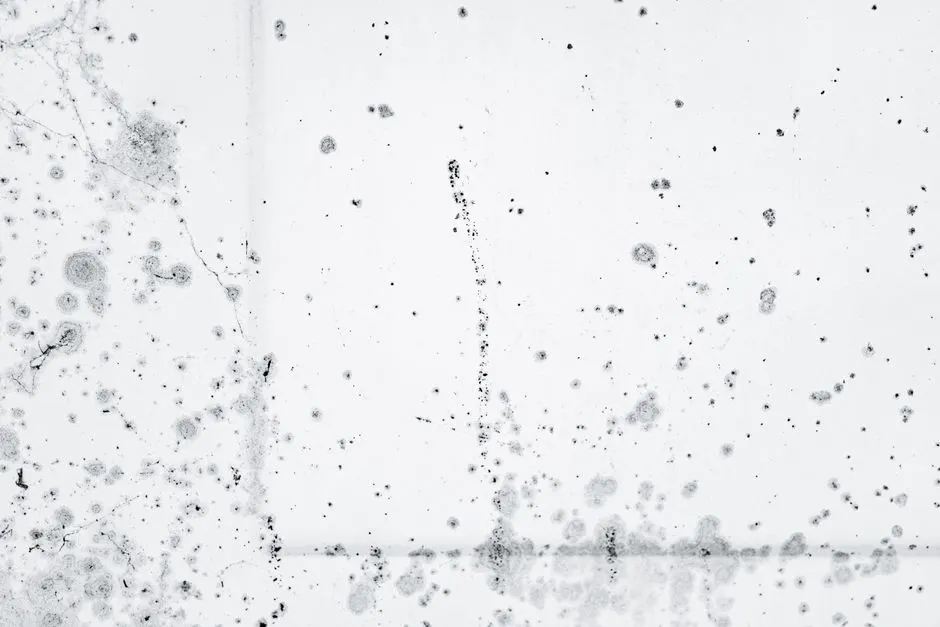
Mold needs 24 to 48 hours of moisture to colonize drywall and framing. Sealing the foundation removes that moisture source. We pair waterproofing with antimicrobial coating on the block and a dehumidifier sized to the space, which keeps basement humidity under 50% and takes mold prevention and moisture control from a hope to a system.
Protects structural framing
Chronic seepage rots rim joists, sill plates, and floor framing. A sill plate that stays wet for two seasons loses load capacity and the repair turns into a carpentry job. Waterproofing keeps the wood dry, which protects the structure and keeps your floors level.
Lowers humidity and odors
A musty smell is a moisture reading, not a cleaning problem. Once we install a vapor barrier and encapsulation liner and set a Dri-Eaz dehumidifier on a drain line, basement humidity drops from the 70s into the 40s and the smell goes with it.
Adds usable square footage
A dry basement is a finished basement. Homeowners in Fairmount and Graduate Hospital routinely convert 500 to 800 square feet of previously unusable space after waterproofing. That is a home office, a gym, or a rental unit that pays back the waterproofing cost.
Typical 2026 pricing in Philadelphia runs $2,500 to $9,000 for a full foundation waterproofing scope, with crack injection starting around $450 and crawl space encapsulation adding $1,800 to $5,500. The number depends on linear footage, whether an interior drain and sump pump are needed, and access. We inspect first, give you a fixed written price, and stick to it. If you want affordable foundation waterproofing Philadelphia PA without surprise change orders, that is how we run it.
Typical Investment Range
$450 - $9,000 depending on scope
Waterproofing costs less than the damage it prevents. A flooded basement runs $4,000 to $15,000 once you add extraction, mold remediation, and replaced drywall and flooring. Fixing the water source first is the cheaper path every time.
What changes the price
Linear footage of wall
Waterproofing is priced by the foot. A 40-foot basement wall costs less than a 120-foot perimeter, and the drain, coating, and sealing all scale with it.
Foundation type
Stone foundations need repointing before sealing, which adds labor. Poured concrete is the simplest. Block walls fall in between and often need core filling at the cove joint.
Drainage and sump needed
If hydrostatic pressure is the driver, an interior perimeter drain and sump pump are the fix. That adds $2,000 to $4,500 but solves the problem at the source instead of chasing cracks.
Crawl space encapsulation
A 20-mil liner sealed to the walls and rim joists runs $1,800 to $5,500 depending on square footage and how much debris and old insulation has to come out first.
Mold remediation required
If mold is already growing, remediation with containment, HEPA filtration, and clearance testing adds cost. We test first so you only pay for what is actually there.
Access and obstructions
Finished walls, mechanical equipment, and tight crawl space hatches slow the work. We note access on the inspection so it shows up in the quote, not the invoice.
Google ★★★★★4.9
They found a cove joint leak two other companies missed and fixed it the same week. Thermal camera, moisture readings before and after, and a written price. My Fishtown basement has been dry through two storm seasons.
Yelp ★★★★★4.8
Came out at 11 p.m. when our sump pump died and the basement was flooding. Extracted the water, set dryers, and had a new pump with battery backup in by the weekend. No drama, no surprise charges.
BBB ★★★★★4.9
We used them for crawl space encapsulation on a Port Richmond rowhouse. Humidity went from 78% to 44% and the musty smell is gone. They explained every step and left the space cleaner than they found it.
Google ★★★★★5.0
Black mold in the basement after a backup. They remediated with proper containment and air scrubbers, then waterproofed so it would not come back. Clearance test results were provided in writing.
Real experiences from customers who chose our Foundation Waterproofing services.
“Our stone foundation leaked every time it rained hard and the basement smelled like a wet basement. They found the cove joint issue with a thermal camera, repointed the mortar, and installed an interior drain. Humidity went from 74% to 46%. Six months later, no smell and no damp patches.”
Dan R.
Homeowner, Fishtown
“We had black mold on the basement drywall after a sump failure. They remediated first with air scrubbers, then waterproofed and put in a new pump with a battery backup. They showed me the moisture readings before and after. Straight answers, no upselling, and they cleaned up better than they found it.”
Maria S.
Homeowner, South Philadelphia
“We manage six rowhouses and had recurring crawl space moisture in three of them. Mold Removal Philly encapsulated all three, sealed the vapor barrier to the rim joists, and set dehumidifiers. The musty smell complaints stopped completely. They documented everything for our files.”
Kevin O.
Property Manager, University City
Real answers to the questions we hear most often from local homeowners and property managers.
Before we waterproof, we test. Air and surface samples tell us whether the musty smell in your Philadelphia basement is active mold or just damp masonry. Results guide the scope so you are not paying for remediation you do not need.
View Mold Inspection and TestingIf waterproofing reveals mold behind the drywall, we remediate with negative air machines, HEPA vacuuming, and antimicrobial coating. We contain the work area so spores do not spread into your living space, then waterproof the source so it does not return.
View Mold RemediationBlack mold on basement framing and drywall is common after a Philadelphia sump failure. We remove contaminated material, treat the framing with RMR-86 or ShockWave, and verify clearance before we seal the foundation and rebuild.
View Black Mold RemovalRowhouses, twins, and detached homes across Philadelphia County all get the same treatment: find the moisture, remove the mold, dry the structure, then waterproof. We work room by room and keep the family out of the contained area.
View Residential Mold RemovalCommercial basements and storage areas in Philadelphia need waterproofing and mold work done around business hours. We schedule nights and weekends, use air scrubbers to keep dust down, and document everything for your property file.
View Commercial Mold RemovalAttic mold in Philadelphia usually traces to bath fans venting into the attic and winter condensation on roof sheathing. We remove the mold, correct the ventilation, and seal the bypasses that let warm moist air up there in the first place.
View Attic Mold RemovalCall +1 2152813400 or email info@moldremovalphilly.com and we will schedule an inspection, usually the same day if you reach us before noon. Water emergencies get 24/7 response. We serve every neighborhood in Philadelphia County, from Center City to Northeast Philadelphia.
Phone
+1 2152813400Address
Pearson Avenue, Unit A Philadelphia, PA 19114
Hours
Mon–Fri: 7AM – 7PM
Sat: 8AM – 4PM
Sun: Emergency Only
24/7 Emergency Available