Logo
Get Estimate

Drywall Mold Removal in Philadelphia That Stops the Spread

Licensed, insured, and equipped for Philadelphia's rowhome moisture problems.


Drywall Mold Removal in Philadelphia means cutting out the moldy paper and gypsum, treating the framing behind it, and drying the cavity so it doesn't come back. We handle rowhomes, twins, and commercial spaces across Philadelphia County. If you're seeing dark stains, bubbling paint, or smelling that musty odor after a leak, we can inspect today and give you a straight answer on what has to come out.

Close-up of a gloved hand applying plaster to a wall indoors in Falun, Sweden.
Licensed Licensed & Bonded
Fully Insured Insured & Bonded
24/7 Emergency Same-Day Response
Warranty Backed 11+ Years Trusted in Philadelphia

What's Included in Our Drywall Mold Removal Service

Every drywall mold job we run in Philadelphia includes inspection, containment, removal, treatment, drying, and verification. Rebuild and painting are quoted separately so you can decide whether to use us or your own contractor.

Moisture Inspection and Mapping

We use a thermal imaging camera, moisture meter, and boroscope to map every wet pocket behind your walls. You get a written scope the same day, with photos and moisture readings documented for your records or insurance claim.

Containment and HEPA Filtration

We seal the work area with poly and zip walls, then run a negative air machine with HEPA filters. That keeps spores from spreading to other rooms while we cut. Standard setup on every Philadelphia job, no extra charge.

Moldy Drywall Removal

We cut back 12 to 24 inches past visible growth, bag the debris inside containment, and HEPA vacuum the exposed framing. Wet insulation comes out too. Most single-room removals take two to three hours from start to finish.

Antimicrobial Treatment and Fogging

Exposed studs and sheathing get an antimicrobial coating, then we fog the cavity with Benefect or Concrobium. This kills remaining spores and leaves a protective layer that resists regrowth while the cavity dries.

Drying and Moisture Verification

Dehumidifiers and air movers run until framing reads below 15 percent moisture. We check daily and adjust equipment as needed. Typical dry time is 24 to 72 hours depending on how wet the cavity was when we started.

Post-Remediation Clearance Testing

An independent air sample confirms spore counts are back to normal outdoor levels. If the test fails, we re-clean at no charge. You get the lab report for your files, insurance, or real estate closing.

What Drywall Mold Removal in Philadelphia Really Involves


Drywall Mold Removal in Philadelphia is the controlled demolition and treatment of mold-infested gypsum board, followed by drying, antimicrobial coating, and verification. Mold eats the paper facing first, then the gypsum core. By the time you see black mold on the surface, the back of the board is usually worse. We cut back 12 to 24 inches past the last visible growth, bag the debris in the room, and run a HEPA vacuum and air scrubber the whole time so spores don't migrate to your kitchen or bedrooms.

Philadelphia's housing stock makes this a year-round call. Brick rowhomes in Fishtown and Port Richmond wick moisture through foundation walls. Older plumbing in Germantown and Mount Airy drips inside wall cavities for months before anyone notices. Add humid summers and storm-driven roof leaks, and drywall mold cleanup Philadelphia PA becomes a same-week necessity, not a someday project. We see it after sewage backup in the Northeast, after burst supply lines in Center City high-rises, and after every heavy rain in Eastwick.

Our Drywall Mold Removal Process, Step by Step

Every job follows the same disciplined sequence, from the first phone call to the final clearance test. Here's exactly what you'll see when our crew arrives at your Philadelphia property.

01

Schedule

Call or book online — a real human picks up and confirms a 2-hour arrival window.

02

Diagnose

Licensed tech inspects on-site, then walks you through the cause and your options.

03

Fix

The job is completed to code and done right the first time — no shortcuts, no surprises.

04

Guarantee

Every job backed by a written workmanship warranty — and we stand behind it.

Tools and Methods We Use on Every Job

Tools & Equipment

Thermal Imaging Camera

Finds temperature differences behind drywall that signal hidden moisture. We use it on every inspection to map wet areas before we cut.

Moisture Meter

Reads exact moisture content in drywall, framing, and subfloor. We log readings before, during, and after drying to confirm the cavity is ready to close.

Boroscope

A small camera that slips inside wall cavities through a quarter-inch hole. Lets us see mold growth behind tile and finished walls without tearing everything open.

Air Scrubber and Negative Air Machine

Keeps the work area under negative pressure and filters airborne spores through HEPA filters. Standard setup on every removal job to protect the rest of your home.

HEPA Vacuum

Captures spores and debris from framing, floors, and surfaces after demolition. We vacuum every exposed surface before applying antimicrobial coating.

Dri-Eaz and Phoenix Dehumidifiers

Industrial drying equipment that pulls moisture out of wall cavities and framing. We run them until moisture readings drop below 15 percent.

Fogger

Applies Benefect or Concrobium as a fine mist that reaches into cracks and pores where spray bottles can't. Used after removal to neutralize remaining spores.

Methods & Standards

IICRC S520 Mold Remediation Standard

The industry standard for mold removal, covering containment, removal, cleaning, and verification. Every Philadelphia job we run follows S520 from start to finish, which is what insurance carriers and home inspectors expect to see.

Containment and Negative Pressure

We seal the work area with 6-mil poly and zip walls, then pull air through a HEPA-filtered negative air machine. This keeps spores from migrating to unaffected rooms during demolition. Setup takes about 30 to 45 minutes.

Antimicrobial Coating and Encapsulation

After removal, exposed framing gets an antimicrobial coating, and in crawl spaces or basements we add an encapsulation liner. This seals porous surfaces and resists regrowth while the cavity finishes drying.

Post-Remediation Verification

We collect air samples after cleaning and send them to an independent lab. Spore counts must return to normal outdoor levels before we call the job complete. If they don't, we re-clean at no charge.

When to Call for Drywall Mold Removal

01

A pipe burst inside a second-floor wall in your Center City condo and the ceiling below is now stained and soft.

What we do: We cut out the moldy ceiling drywall, treat the joists, and dry the cavity with dehumidifiers and air movers. Because high-rises share walls, we coordinate with building management on containment and water shut-off.

→ The ceiling is rebuilt ready for paint, moisture readings are normal, and you have a clearance report for your HOA and insurance.

02

Your finished basement in Northeast Philadelphia flooded after a storm and the lower two feet of drywall smells musty.

What we do: We extract any remaining water, remove the affected drywall and insulation, treat the block foundation, and install a vapor barrier. If your sump pump failed, we can install a new one with battery backup.

→ The basement is dry, odor-free, and protected against the next storm. Most jobs wrap in five to seven working days.

03

You're selling your South Philly rowhome and the home inspector flagged mold on the basement wall behind a shelf.

What we do: We inspect, remove the affected drywall, treat the framing, and run clearance testing. The lab report and photo documentation go straight to your realtor and the buyer's agent.

→ The closing stays on schedule, and the buyer has written proof the mold was properly remediated.

04

A tenant in your West Philadelphia rental reports black mold around a bathroom window after months of condensation.

What we do: We remove the moldy drywall, treat the framing, and fix the ventilation issue that caused it. We document everything with photos and moisture readings for your records.

→ The unit passes inspection, the tenant stays, and you have documentation if the issue ever comes up again.

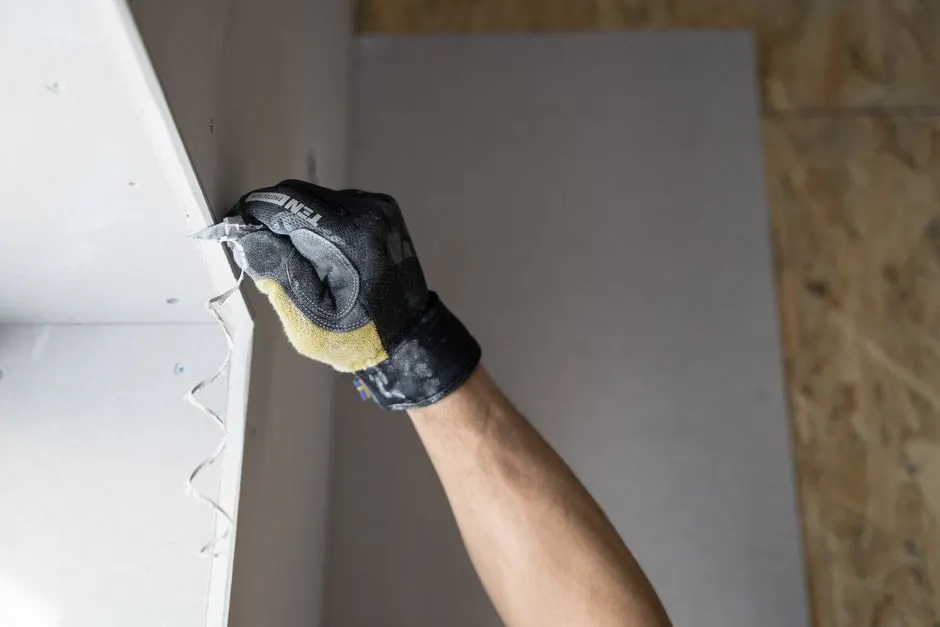
How Drywall Mold Removal Runs in Philadelphia

Philadelphia's climate and housing stock create specific mold patterns. Summers are humid enough to push indoor relative humidity above 60 percent without air conditioning, and our older brick rowhomes wick ground moisture through foundation walls. We see drywall mold most often after slow plumbing leaks in Fishtown and Port Richmond, roof leaks in Mount Airy and Chestnut Hill, and sewage backups in Northeast Philadelphia basements. Winter freeze-thaw cycles crack supply lines, and spring rains find every failed flashing. When you call for drywall mold remediation Philadelphia, we bring equipment sized for tight rowhome spaces and know how to contain a job without blocking your only staircase. We also work with Philadelphia County code requirements and can provide documentation for rental inspections or real estate closings. If you're searching for drywall mold remediation services Philadelphia, Pennsylvania, we're set up to handle both residential and commercial jobs.

Neighborhoods We Serve

  • Fishtown

    Older rowhomes with original plumbing and brick foundations. Slow leaks behind kitchen and bathroom walls are the most common mold source we find here.

  • Northeast Philadelphia

    Finished basements flood often after storms. Sump pump failures and backwater valve problems feed mold on lower drywall within a week.

  • Center City

    High-rise condos share walls and mechanical chases. We coordinate with building management on containment, water shut-off, and elevator access.

  • Mount Airy

    Large older homes with slate roofs and attic condensation issues. Mold often starts on roof sheathing and drifts down to ceiling drywall.

  • South Philadelphia

    Tight rowhomes with limited access. We size containment and equipment for narrow stairwells and shared party walls.

Local Conditions We Plan For

  • Humid summers with indoor RH above 60 percent

    Mold can grow on drywall within 48 hours when indoor humidity stays high. We run dehumidifiers and recommend whole-home moisture control after removal.

  • Brick rowhome foundations that wick moisture

    Ground water seeps through mortar and block, feeding mold on basement drywall. We treat the wall, install vapor barrier, and recommend foundation waterproofing.

  • Freeze-thaw cycles that crack supply lines

    Slow drips inside wall cavities go unnoticed for weeks. By the time a stain appears, the drywall back is usually fully colonized and has to come out.

  • Storm-driven roof leaks in older homes

    Water travels down rafters and shows up as ceiling stains far from the breach. We trace the leak, dry the framing, and remove any moldy ceiling drywall.

Fishtown Bathroom Wall Tear-Out

Before

A slow shower leak soaked the wall for months. Black mold covered the lower four feet of drywall, and the musty smell reached the hallway. The homeowner had painted over it twice, and it kept coming back.

After

We removed 32 square feet of moldy drywall, treated the studs with antimicrobial coating, and dried the cavity for 48 hours. Clearance testing came back clean, and we rebuilt the wall with mold resistant drywall ready for tile.

Maintenance: We re-caulked the shower pan, replaced the exhaust fan with a higher-CFM unit, and told the homeowner to run it 15 minutes after every shower. No mold has returned in the year since.

Before

A failed sump pump let two inches of water into a finished basement during a summer storm. Within a week, mold covered the bottom two feet of drywall along three walls, and the carpet smelled like sewage.

After

We extracted standing water, removed 60 linear feet of moldy drywall and wet insulation, disinfected the block wall, and ran dehumidifiers for three days. New sump pump with battery backup went in, plus a vapor barrier along the affected walls.

Maintenance: We test the sump pump monthly and recommend a water alarm near the pit. The homeowner keeps a dehumidifier set at 50 percent RH during summer. Basement has stayed dry through two storm seasons.

Before

A supply line in the unit above burst and dripped into the ceiling of a Rittenhouse Square condo. The ceiling was stained, soft, and smelled musty. The HOA needed documentation before approving the repair.

After

We contained the room, removed 24 square feet of moldy ceiling drywall, treated the joists, and dried the cavity in 36 hours. Air sample passed clearance, and we rebuilt the ceiling with mold resistant board, taped and ready for paint.

Maintenance: We gave the owner the lab report and photo documentation for the HOA file. They check under the sink and around supply lines twice a year and know where the shut-off valve is.

Drywall Mold Problems We Solve in Philadelphia

Most drywall mold calls start with a symptom the homeowner can see or smell. Here are the four we handle most often in Philadelphia, and what happens if they're ignored.

Problem

Black mold spreading across a basement ceiling

Spores circulate through the whole house and trigger allergies, asthma, and headaches. Left alone, mold eats through the drywall paper and into the framing above.

Our Fix

We contain the room, cut out the moldy board, HEPA vacuum the joists, and treat the wood with antimicrobial coating. Drying equipment runs until moisture readings drop below 15 percent. Clearance testing confirms the air is clean before we rebuild.

Problem

Musty odor in a bathroom with no visible mold

The smell usually means mold is growing behind the tile or inside the wall cavity where you can't see it. By the time it shows on the surface, the drywall back is often fully colonized.

Our Fix

We inspect with a boroscope and moisture meter to find the hidden growth. Once located, we remove the affected drywall, treat the framing, and fix the underlying leak or exhaust problem. Most bathroom jobs wrap in three to five days.

Problem

Moldy drywall after a sewage backup

Sewage is Category 3 water, which means any drywall it touches is contaminated and cannot be dried and saved. Waiting even a day lets bacteria and mold spread further up the wall.

Our Fix

We extract the water, remove all contaminated drywall and insulation, disinfect the cavity, and run drying equipment. Because sewage carries pathogens, we use full PPE and follow OSHA protocols. Rebuild happens after clearance.

Problem

Attic condensation causing ceiling stains

Mold grows on the underside of roof sheathing and drifts down to ceiling drywall. Homeowners often notice the stain before they notice the mold, and by then the attic deck is colonized.

Our Fix

We treat the attic sheathing with antimicrobial coating, remove any moldy ceiling drywall, and improve ventilation so condensation stops. In Philadelphia's older roofs, adding ridge or soffit vents is often part of the fix.

Why Philadelphia Homeowners Call Us First

Why Philadelphia Homeowners Call Us First

Moldy drywall doesn't fix itself, and painting over it traps the problem. Here's what you actually gain when we handle the removal correctly the first time.

  • Stop the Spread Fast

    Mold colonies can double in 24 to 48 hours when moisture stays above 60 percent. We set up negative air machines and containment the same day we start, so spores from your basement don't end up in your nursery. Most single-room jobs are sealed and cut out within four hours of arrival.

  • Pass Clearance Testing

    We don't just remove visible growth. After treatment we run post-remediation verification with an independent air sample. If spore counts don't drop to normal outdoor levels, we re-clean at no extra charge. That's the paperwork you need for a real estate closing or an insurance claim in Philadelphia County.

  • Protect Your Structure

    Moldy drywall is the symptom. Wet framing, rotting subfloor, and contaminated insulation are the real damage. Our technicians use a moisture meter and thermal imaging camera to find every wet pocket before we close anything up. Catching it early saves thousands compared to replacing studs later.

  • Breathe Cleaner Air

    Black mold in drywall removal Philadelphia PA isn't just cosmetic. Airborne spores trigger asthma, headaches, and that constant musty smell. We HEPA vacuum every surface, fog with Benefect or Concrobium, and seal the cavity with an antimicrobial coating so your living space smells neutral again, not damp.

What Drywall Mold Removal Costs in Philadelphia

Typical 2026 pricing in Philadelphia runs $500 to $2,500 for most drywall mold jobs, with a single-room removal averaging $850 to $1,400. Price depends on how much drywall has to come out, whether framing needs treatment, and if containment is required. Emergency calls after hours don't carry a surcharge. We quote a flat number after inspection, and that number holds unless you ask us to add work. Affordable drywall mold removal Philadelphia PA is about doing the job right the first time, not cutting corners on containment or drying.

Typical Investment Range

$500 - $2,500 depending on scope, with most single-room jobs at $850 - $1,400

The cheap quote usually skips containment, drying, or clearance testing, and the mold comes back within a year. Our price covers the full IICRC S520 protocol, documented moisture readings, and a lab-verified clearance report. That's what makes the repair permanent.

What changes the price

01

Square footage affected

A 10-by-12-foot room with mold on one wall is a different job than a full basement with mold on three walls. Most single-room removals fall in the $850 to $1,400 range. Larger scopes scale up from there.

02

Framing treatment needed

If mold has reached the studs or joists, we treat them with antimicrobial coating and may need to dry the cavity longer. That adds time and equipment, usually $200 to $500 depending on how many linear feet are involved.

03

Containment complexity

Tight rowhomes and high-rise condos take more setup than open basements. Zip walls, negative air, and HEPA filtration are standard, but access issues can add an hour or two of labor on Center City jobs.

04

Insulation replacement

Wet or moldy insulation has to come out and can't be reused. Batt or blown-in insulation replacement typically runs $1.50 to $3.50 per square foot, depending on the type and where it's installed.

05

Rebuild and finish

Hanging new mold resistant drywall, taping, and finishing ready for paint is quoted separately. Most homeowners pay $400 to $900 for a single-room rebuild, or they use their own contractor.

06

Clearance testing

Independent air sampling after remediation runs $150 to $350 depending on how many samples are needed. We include it in every job because you need the documentation for insurance, real estate, or your own records.

Licensed, Certified, and Documented

Licensed & Certified

  • IICRC WRT (Water Restoration Technician) — issued by Institute of Inspection, Cleaning and Restoration Certification
  • IICRC AMRT (Applied Microbial Remediation Technician) — issued by Institute of Inspection, Cleaning and Restoration Certification
  • EPA Lead-Safe Certified Firm — issued by U.S. Environmental Protection Agency
  • PA Mold Remediation License — issued by Pennsylvania Department of Labor and Industry
  • OSHA 10-Hour Construction Safety — issued by Occupational Safety and Health Administration

Verified Reviews

Google ★★★★★4.9

Called on a Tuesday about mold on my basement drywall after a sump failure. They were out Wednesday morning, contained the room, and had drying equipment running by noon. Flat quote, no upsells, and the clearance test came back clean. Rebuilt the wall the following week.

Yelp ★★★★★4.8

We had black mold behind the shower wall in our Fishtown rowhome. They cut it out, treated the studs, and fixed the leak that caused it. The crew was careful with our floors and cleaned up every day. Smell is gone and the new tile looks great.

BBB ★★★★★4.9

Managed a commercial mold job in Center City after a pipe burst over a weekend. They worked overnight so our office could open Monday. Documentation was thorough and our insurance adjuster approved the claim without a single follow-up question.

Google ★★★★★5.0

Home inspector flagged mold in our South Philly basement before closing. Mold Removal Philly inspected, removed the affected drywall, and got us a clearance report in four days. The deal closed on time. Straight answers and no drama.

What Philadelphia Customers Say

Real experiences from customers who chose our Drywall Mold Removal services.

“We had a slow leak behind the shower that soaked the wall for months. Mold Removal Philly cut out the drywall, treated the studs, and had drying equipment running the same afternoon. The clearance test came back clean and they rebuilt the wall ready for paint. Flat price, no surprises, and they cleaned up better than they found it.”

D

Danielle R.

Homeowner, Fishtown

“A tenant called about black mold on the ceiling after a roof leak. I needed it handled fast and documented for insurance. Their crew was out the next morning, contained the room, removed the moldy drywall, and sent me photos and Xactimate paperwork the same day. My adjuster approved the claim without a single question.”

M

Marcus T.

Landlord, West Philadelphia

“Our finished basement flooded when the sump pump died during a storm. Mold showed up on the lower drywall within a week. They extracted the water, cut out the moldy board, treated the block wall, and installed a new pump and vapor barrier. Six months later the basement is dry and smells fine. Worth every dollar.”

P

Priya S.

Homeowner, Northeast Philadelphia

Frequently Asked Questions About Drywall Mold Removal

Real answers to the questions we hear most often from local homeowners and property managers.

How much does drywall mold removal cost in Philadelphia PA?
Most Philadelphia jobs run $500 to $2,500, with a typical single-room removal around $850 to $1,400. Price depends on square footage of affected drywall, whether framing needs treatment, and if containment is required. Emergency calls after hours don't carry a surcharge. We give you a flat quote after a free inspection, so you know the number before we start cutting.
What causes drywall mold in Philadelphia?
Moisture plus organic material plus time. In Philadelphia, the usual culprits are slow plumbing leaks inside walls, foundation seepage in brick rowhomes, roof leaks after nor'easters, and high indoor humidity in summer. Attic condensation and crawl space moisture feed mold too. Any wall cavity that stays above 60 percent relative humidity for 48 hours can grow visible mold within a week.
Can I remove drywall mold myself in Philadelphia?
You can wipe surface mold off tile or painted trim, but moldy drywall is a different job. Gypsum board is porous, so the roots sit inside the paper and core. Cutting it out without containment spreads spores through your HVAC. For anything bigger than a square foot, or any black mold, call a licensed crew. We handle the removal, treatment, and clearance testing in one visit.
Does drywall mold removal require drywall replacement in Pennsylvania?
Usually yes. Once mold colonizes the paper facing, the board has to come out. We cut back 12 to 24 inches past visible growth and replace it with mold resistant drywall. If the mold is only on the surface of a painted wall and the moisture source is fixed, we can sometimes treat it in place. An inspection tells us which path you're on.

Other Mold and Moisture Services We Offer

Mold Inspection and Testing

Before we cut anything, we confirm what's growing and where. Air sampling, moisture mapping, and thermal imaging tell us whether your Philadelphia drywall problem is surface-level or inside the cavity. Inspection findings drive the removal scope.

View Mold Inspection and Testing

Mold Remediation

Drywall removal is one piece of a larger remediation plan. When mold has spread to framing, subfloor, or insulation, we handle the full tear-out and rebuild. Most Philadelphia rowhome jobs combine both services in a single visit.

View Mold Remediation

Black Mold Removal

Black mold in drywall needs containment and HEPA filtration, not a spray bottle. We treat toxic black mold with the same IICRC S520 protocol we use on every Philadelphia job, then verify with lab testing before we close the wall.

View Black Mold Removal

Residential Mold Removal

Homes in Center City, Fishtown, and Mount Airy all deal with different moisture paths. We tailor residential mold removal to your building type, whether that's a brick rowhome, a twin, or a newer construction condo with a failed vapor barrier.

View Residential Mold Removal

Commercial Mold Removal

Offices, restaurants, and retail spaces in Philadelphia need mold work done after hours to avoid disrupting business. We schedule overnight and weekend crews, document everything for your property manager, and coordinate with your HVAC contractor if ducts are affected.

View Commercial Mold Removal

Attic Mold Removal

Attic condensation is a common Philadelphia problem, especially on older roofs with poor ventilation. Mold grows on the underside of roof sheathing and drifts down to ceiling drywall. We treat the attic deck and remove any moldy ceiling board in one scope.

View Attic Mold Removal

Get Drywall Mold Removal in Philadelphia Today

Mold spreads while you wait. Call Mold Removal Philly for a same-day inspection and a flat quote on Drywall Mold Removal in Philadelphia. We're licensed, insured, and IICRC-certified, and we answer the phone 24/7. One call and you'll know exactly what has to come out and what it costs.

Call Now Get Free Estimate

Contact Mold Removal Philly

Call +1 2152813400 or email info@moldremovalphilly.com and we will schedule an inspection, usually the same day if you reach us before noon. Water emergencies get 24/7 response. We serve every neighborhood in Philadelphia County, from Center City to Northeast Philadelphia.

Or call us right now at +1 2152813400 — we answer.

Mold Removal Philly


  • Address

    Pearson Avenue, Unit A Philadelphia, PA 19114

  • Hours

    Mon–Fri: 7AM – 7PM
    Sat: 8AM – 4PM
    Sun: Emergency Only
    24/7 Emergency Available

Call +1 2152813400 Get Quote
Call Quote