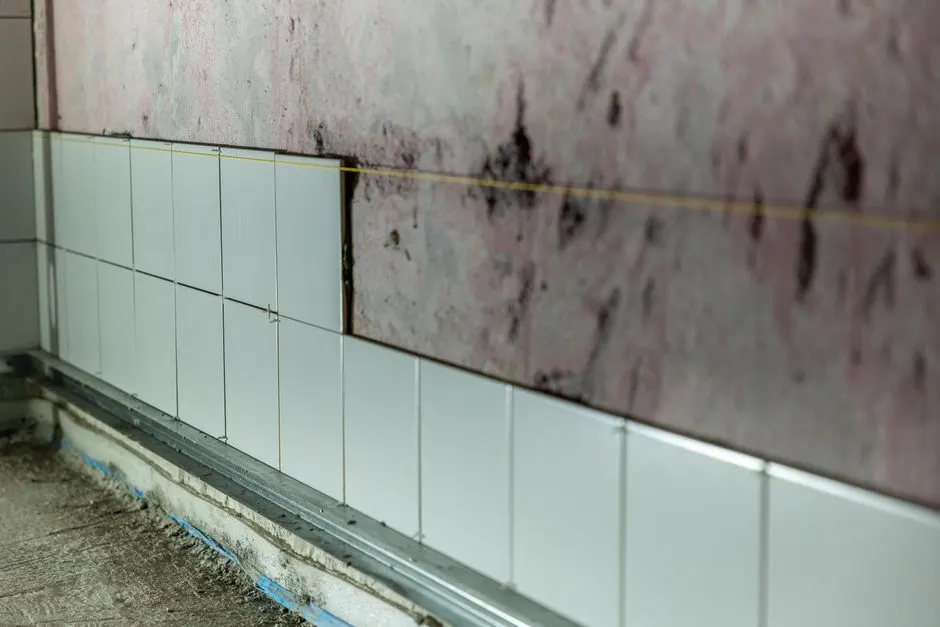
You can remove black mold from bathroom walls safely by wearing an N95 respirator, sealing off the room, and scrubbing the affected area with a detergent solution or a 1:10 bleach mix-then drying the wall completely within 24 to 48 hours. The key is to kill the mold at the root and eliminate the moisture that feeds it, not just wipe away the visible stains. In Philadelphia's rowhomes and older apartments, where bathroom ventilation is often poor and summer humidity regularly hits 85%, black mold returns fast if you skip the moisture-control step. This guide walks you through the safe DIY process, the gear you need, and the point where calling a professional is the smarter move.
What you need before you start
Before you touch a single spore, gather the right protective equipment and cleaning supplies. Black mold (often Stachybotrys chartarum) releases spores when disturbed, and those spores can trigger allergies, asthma attacks, and sinus infections. In a closed bathroom with no fan running, spore counts can spike within minutes of scrubbing.
Here's what our technicians use on every job, and what you should have on hand:
- N95 or P100 respirator - a dust mask is not enough. Mold spores are 1-5 microns; N95 filters 95% of particles that size.
- Nitrile gloves and sealed goggles - spores enter through eyes and skin breaks.
- Old clothes you can wash in hot water or throw away - mold clings to fabric.
- Plastic sheeting and painter's tape - to seal the bathroom doorway and block spores from spreading to the rest of your home.
- HEPA vacuum - a standard shop vac will blow spores back into the air.
- Cleaning solution - either a detergent-and-water mix (1 tablespoon of unscented dish soap per quart) or a 1:10 bleach solution (1 cup bleach to 1 gallon water). Never mix bleach with ammonia or vinegar.
- Stiff-bristle brush and microfiber cloths - disposable rags are better than sponges, which harbor spores.
- Box fan or dehumidifier - to dry the wall fast after cleaning.
If you rent in Philadelphia, check your lease before you start. Many landlords require professional bathroom mold removal Philadelphia PA for anything beyond surface mildew, and some will cover the cost if the mold stems from a plumbing leak or failed exhaust fan.
Step-by-step: How to remove black mold from bathroom walls safely
Safe black mold removal from bathroom walls follows a strict order: contain, protect, clean, dry, and verify. Skipping the containment step is the number-one reason mold spreads to adjacent rooms or into your HVAC system.
1. Seal the room and shut off airflow
Close the bathroom door and tape plastic sheeting over the doorway. Turn off the exhaust fan and any central HVAC vents in the room. You want zero air movement pulling spores into other spaces. If the mold covers more than 10 square feet-roughly a 3-foot-by-3-foot patch-stop here and call a professional; the EPA recommends professional remediation for areas that size.
2. Put on your gear
Respirator first, then goggles, then gloves. Do not put on the respirator after you start stirring up dust. If you wear contact lenses, remove them; spores can get trapped under the lens.
3. Mist the mold before scrubbing
Dry mold spores become airborne the moment you touch them. Lightly mist the affected wall with your cleaning solution using a spray bottle, then wait 30 seconds. This dampens the spores and keeps them out of the air.
4. Scrub from the edges inward
Work from the outside of the mold patch toward the center to avoid spreading spores to clean drywall. Use a stiff brush and firm pressure. For painted walls, you'll likely scrub away some paint-that's normal. For unpainted drywall, the mold has probably penetrated the paper backing, and you'll need to cut out and replace that section.
5. Wipe and dispose
Wipe the area with a damp microfiber cloth, then throw the cloth into a sealed plastic bag immediately. Do not rinse it in the sink. Repeat the scrub-and-wipe process until no visible mold remains and the wall smells clean.
6. Dry the wall completely
Run a box fan pointed at the wall for at least 24 hours, or use a dehumidifier set to 40% relative humidity. Mold can't grow without moisture, so this step matters as much as the scrubbing. If the wall still feels damp after 48 hours, you have a hidden leak feeding it.
7. HEPA vacuum the room
Once the wall is dry, vacuum all surfaces-floor, vanity, ceiling, light fixtures-with a HEPA vacuum. This captures settled spores you can't see. Then remove and discard the plastic sheeting carefully, folding it inward.
What kills black mold on bathroom walls in Philadelphia?
Bleach kills black mold on non-porous surfaces like tile and glass, but it does not penetrate porous materials such as drywall, grout, or wood. For those surfaces, a detergent solution that physically lifts the mold off the surface works better than bleach alone. The CDC recommends against bleach for porous materials because it kills surface mold while leaving roots behind.
Here's what actually works on common Philadelphia bathroom surfaces:
- Glazed tile and glass: 1:10 bleach solution, 10 minutes contact time, then rinse.
- Grout: Oxygen bleach (sodium percarbonate) paste, scrubbed with a grout brush. Chlorine bleach can erode grout over time.
- Painted drywall: Detergent solution, then a mold-resistant primer and paint. If mold returns within weeks, the drywall is contaminated and needs replacement.
- Unpainted drywall or ceiling: Cut out and replace. No cleaner reaches mold roots inside drywall paper.
- Wood trim or window frames: Sand lightly, then treat with a borate-based mold cleaner. Borates penetrate wood and stop regrowth.
If you're dealing with a recurring problem across multiple bathrooms, it's worth getting a mold inspection and testing Philadelphia PA to find the moisture source. In our experience, 8 out of 10 repeat mold calls in Philadelphia trace back to a failed exhaust fan, a slow supply-line leak, or a window that doesn't seal.
Common mistakes that make bathroom mold worse
The most common mistake is scrubbing dry mold without misting it first. That single action sends thousands of spores into the air, where they land on clean surfaces and start new colonies within 24 to 48 hours.
Other mistakes we see regularly:
- Using a fan to "dry" the room during cleaning. That fan spreads spores. Only run it after the mold is fully removed.
- Painting over mold. Paint traps moisture and the mold eats through the new layer in weeks.
- Bleaching unpainted drywall. Bleach is 90% water; it soaks into the drywall and feeds the mold you're trying to kill.
- Skipping the exhaust fan. Running a fan for 15 minutes after a shower cuts bathroom humidity by 50% or more. Without it, you're inviting mold back every day.
- Ignoring the ceiling. Mold on walls often starts on the ceiling above the shower, where steam collects first.
If you've already tried DIY and the mold keeps returning, the problem is almost certainly a moisture source you haven't found. A professional leak detection and repair Philadelphia PA can trace hidden leaks behind walls before you spend money replacing drywall again.
When to call a professional for bathroom black mold in Philadelphia
Call a professional when the mold covers more than 10 square feet, when it returns after two thorough DIY cleanings, or when anyone in your home has asthma, allergies, or a compromised immune system. Those are the three triggers our team uses to decide whether a job is safe for a homeowner to handle.
You should also call us if:
- You smell a musty odor even after cleaning-mold is likely inside the wall cavity.
- The drywall is soft, crumbly, or stained brown behind the paint.
- Mold appears near a plumbing fixture, ceiling, or exterior wall.
- You've had a recent water leak, flood, or sewage backup in the bathroom.
- You're selling your home and need documentation that the mold was properly remediated.
For these situations, our team handles black mold removal Philadelphia PA with containment, HEPA filtration, and post-remediation verification. We also fix the moisture source-whether that's a leaking pipe, a failed exhaust fan, or poor grading outside the window-so the mold doesn't come back.
Preventing black mold from coming back
Prevention comes down to three numbers: keep bathroom humidity below 50%, run your exhaust fan for 15 to 20 minutes after every shower, and fix any leak within 48 hours. In Philadelphia's climate, those three habits prevent the vast majority of bathroom mold problems.
Here's what we recommend to homeowners across the city:
- Install a humidity sensor in the bathroom. When it reads above 55%, run the fan or a small dehumidifier.
- Upgrade your exhaust fan if it's older than 10 years. Modern fans move 110 CFM or more, which is enough for most Philadelphia bathrooms.
- Squeegee shower walls after every use. It takes 30 seconds and cuts mold growth dramatically.
- Re-caulk around the tub and sink every 2 to 3 years. Cracked caulk lets water into the wall.
- Use mold-resistant paint on bathroom walls and ceilings. It won't stop a leak, but it slows surface mold.
- Check under the sink monthly for slow drips. A pinhole leak can feed mold for months before you notice.
If you're in an older rowhome in Fishtown, Kensington, or South Philly, your bathroom may have original galvanized pipes that corrode from the inside. Those pipes leak slowly and invisibly. A mold prevention and moisture control Philadelphia PA visit can identify those risk points before they turn into a full remediation job.
Frequently Asked Questions
Is it safe to remove black mold from bathroom walls myself in Philadelphia?
Yes, if the mold covers less than 10 square feet, you wear an N95 respirator and goggles, and you can dry the area within 24 hours. For larger patches or if anyone in your home has asthma, hire a professional. Philadelphia's humid summers make DIY regrowth more likely, so monitor the wall for two weeks after cleaning.
What kills black mold on bathroom walls in Philadelphia?
On tile and glass, a 1:10 bleach solution kills black mold in 10 minutes. On drywall and grout, bleach only reaches the surface-use a detergent solution or oxygen bleach instead. For porous materials, removal and replacement is the only way to eliminate mold roots. No cleaner penetrates drywall paper.
When should I call a professional for bathroom black mold in Philadelphia?
Call a professional when the mold covers more than 10 square feet, when it returns after two DIY cleanings, or when you smell a musty odor even after cleaning. Also call if the drywall is soft or if mold appears near plumbing. Those signs mean hidden moisture inside the wall.
Does bleach kill black mold on bathroom walls in Pennsylvania?
Bleach kills mold on non-porous surfaces like tile and glass, but it does not kill mold roots inside drywall, wood, or grout. The CDC recommends against bleach for porous materials because its high water content can feed the mold. Use bleach only on hard, non-porous surfaces and always follow with thorough drying.
Get help with Mold removal in Philadelphia
If your bathroom mold keeps coming back or covers more than a small patch, our team at Mold Removal Philly can remove it safely and fix the moisture source. We serve homeowners across Philadelphia, from rowhomes in Fishtown to apartments in Center City.
Call us at +1 2152813400 to schedule an inspection or get a same-week estimate.