
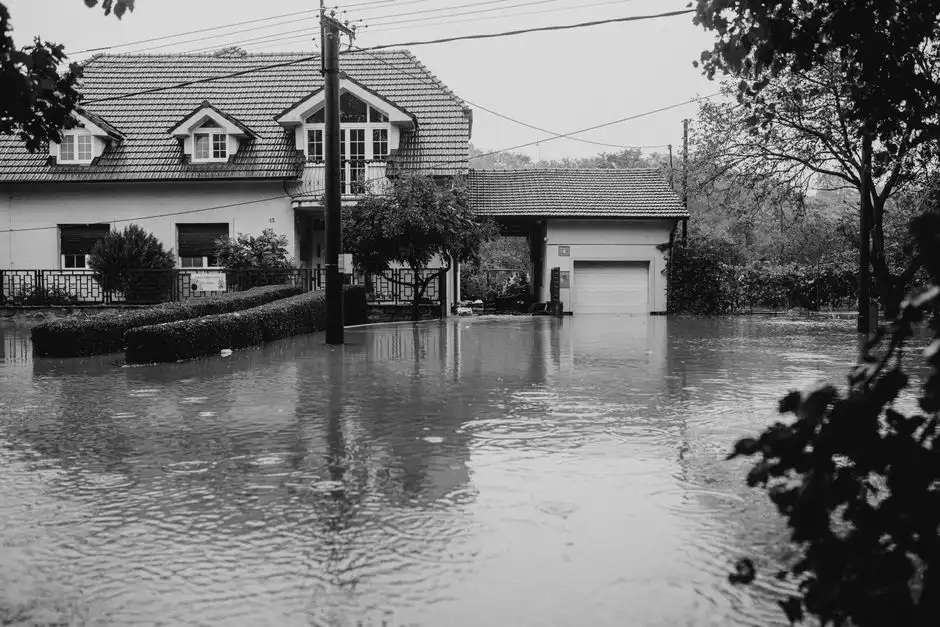
Emergency water extraction in Philadelphia is the process of removing standing water from a flooded basement, kitchen, or commercial space using truck-mounted pumps and wet vacuums before mold growth begins - and the first thing you should do is shut off the water source, then kill power to any wet area, then call a 24/7 extraction crew. Water damage in Philadelphia homes typically starts growing mold within 24 to 48 hours, so the order of those first three moves matters more than anything else you do that day.
Below is the exact sequence our technicians walk Philadelphia homeowners through on the phone, plus what extraction actually involves, what it costs in 2026, and how to tell when a mop and a fan are not going to cut it.
What to do first: the 60-second checklist
If you are standing in water right now, work through these steps in order. Do not skip ahead to cleanup - stopping the source and cutting power are what prevent the damage from doubling.
- Shut off the main water valve. In most Philadelphia rowhomes it is in the basement near the front wall or under the kitchen sink. Turn it clockwise until it stops.
- Kill power to wet areas. Go to the breaker panel and flip off the circuits serving the flooded room. If the panel itself is standing in water, do not touch it - call an electrician and stay out.
- Call for extraction. A 24/7 crew should be able to reach most Philadelphia ZIP codes within 60 to 90 minutes.
- Photograph everything before you move a single item. Your insurance adjuster will want the photos.
- Move furniture and rugs off the wet floor only if it is safe to walk. Dyes from wet wood and fabric bleed into carpet within a few hours.
If the water is coming from a sewage backup rather than a clean supply line, stop at step three. Sewage water carries bacteria and needs professional handling - do not wade in it, and do not run your household fans over it.
How fast does water damage turn into mold in Philadelphia?
Mold can colonize a wet Philadelphia basement in as little as 24 to 48 hours, and our humid summers push that timeline toward the fast end. Once the spores settle into drywall paper, wood framing, or the back of carpet padding, extraction alone will not fix it - you are looking at remediation.
Three local factors speed this up. First, Philadelphia's average summer humidity sits in the 65 to 75 percent range, so a wet basement is already halfway to mold-friendly conditions. Second, most of the city's housing stock was built before 1950, which means plaster walls, old-growth framing, and stone foundations that hold moisture far longer than modern materials. Third, rowhome construction shares walls with neighbors, so a slow leak in your basement can wick into the party wall and show up as a musty smell two doors down.
If you have had water sitting for more than a day, plan on a mold inspection and testing Philadelphia PA visit alongside the extraction. Testing tells us whether spores have already taken hold in the wall cavities before we close anything back up.
What does emergency water extraction actually involve?
Emergency water extraction in Philadelphia is a four-stage process: pump out the standing water, measure how far moisture has traveled, dry the structure with commercial air movers and dehumidifiers, and verify with moisture meters that everything is back to a normal reading before we leave.
Stage 1: Pumping and vacuuming
We use truck-mounted extraction units for anything over an inch of standing water, then switch to portable wet vacuums for the last layer sitting in carpet fibers. A finished 1,000-square-foot basement with two inches of water usually takes two to four hours to pump down.
Stage 2: Moisture mapping
Thermal imaging cameras and pin-type moisture meters show us where water has crept behind baseboards, under hardwood, and up into drywall. This is the step most homeowners skip, and it is the reason so many DIY jobs come back as mold three weeks later.
Stage 3: Drying
We set commercial dehumidification services Philadelphia PA equipment - typically one unit per 1,000 square feet - and run air movers for 3 to 5 days. We check readings daily and do not pull equipment until the drywall and framing read within 10 percent of a dry reference point.
Stage 4: Documentation
You get moisture logs, photos, and a written drying report. Your insurance adjuster needs those to approve the claim.
Water damage sources we see most in Philadelphia
Philadelphia water damage usually traces back to one of five sources, and knowing which one you have changes what you do first.
- Basement seepage after heavy rain. The Schuylkill and Delaware watersheds push groundwater against old stone foundations every spring and fall. This is the single most common call we get from rowhome owners.
- Sump pump failure. A dead sump pump during a storm turns a dry basement into a swimming pool in under an hour.
- Burst or frozen supply lines. Philadelphia's January cold snaps crack pipes in unheated basements and crawl spaces.
- Sewage backups. Combined storm-and-sanitary lines in older neighborhoods back up into floor drains during heavy rain.
- Appliance and fixture leaks. Water heaters, washing machine hoses, and refrigerator lines are the quiet killers - they leak for weeks before you notice.
If your issue is a slow drip rather than a flood, leak detection and repair Philadelphia PA is the right first call. If it is a flood, extraction comes first and the repair comes second.
Common mistakes that make water damage worse
The mistakes we see most often are the ones that turn a $1,500 extraction job into a $12,000 remediation job. Here is what to avoid.
- Running a household shop vac for hours. Consumer vacuums cannot pull water out of carpet padding, and the motor overheats. You end up with wet padding and a burnt-out vac.
- Pointing a box fan at wet drywall. Air movement without dehumidification just spreads moisture into the room. You need both, and you need them sized to the space.
- Waiting for the insurance adjuster before starting extraction. Most policies cover reasonable mitigation to prevent further damage. Waiting two days for an adjuster gives mold a head start that no policy will pay to undo.
- Pulling up wet carpet yourself. If the carpet is salvageable, professional drying saves it. If it is not, we document it for the claim before it goes in the dumpster.
- Skipping the basement. Water travels down. A second-floor bathroom leak often ends up as a wet basement ceiling, and homeowners only check the bathroom.
When to call a professional
Call a professional the moment any of these are true: the water covers more than a few square feet, it has been sitting more than 12 hours, it came from a sewage line or outdoor flooding, or you can smell that musty, wet-cardboard odor that means mold is already working.
Our team handles emergency water extraction Philadelphia PA calls around the clock, and we have walked through this exact scenario in Fishtown rowhomes, University City apartments, and Northeast Philly split-levels for years. We find the source, extract the water, dry the structure, and tell you honestly whether remediation is needed. If it is, we handle that too - you are not handed off to a second contractor.
One thing worth knowing before you call anyone: ask for the price up front. A reputable Philadelphia extraction company will give you a flat range on the phone based on square footage and water category, not a vague "we'll see when we get there."
Frequently Asked Questions
What should I do first for emergency water extraction in Philadelphia?
Shut off the water source, then cut power to the flooded area, then call a 24/7 extraction crew. Those three steps in that order prevent the most damage. Photograph everything before you move furniture, and do not wade into sewage water.
How fast can a water extraction company arrive in Philadelphia?
Most 24/7 crews reach Philadelphia addresses within 60 to 90 minutes of your call. Center City, South Philly, and the Northeast are usually on the faster end; outer Northwest neighborhoods can run closer to two hours during rush hour or a storm.
Does homeowners insurance cover emergency water extraction in Pennsylvania?
Yes, in most cases. Standard Pennsylvania HO-3 policies cover sudden and accidental water damage - burst pipes, appliance failures, storm-driven seepage. They typically do not cover gradual leaks or repeated flooding you knew about. Extraction is usually covered as mitigation to prevent further damage.
How much does emergency water extraction cost in Philadelphia?
Typical 2026 pricing in Philadelphia runs $1,200 to $3,500 for a residential extraction and dry-out, depending on square footage, water category, and how many days of drying are needed. Sewage backups and commercial spaces run higher. Most of that cost is reimbursable through your insurance claim.
Can I just use fans and a dehumidifier from the hardware store?
Only for a very small spill - under 10 square feet, clean water, caught within an hour. Anything larger, or any water that has sat overnight, needs commercial extraction and drying. Consumer equipment cannot pull moisture out of carpet padding, subfloor, or wall cavities.
Get help with mold removal in Philadelphia
If water has been sitting in your Philadelphia home for more than a day, extraction is only half the job - the other half is making sure mold never gets a foothold. We handle both, from the first pump-out to the final air quality check.
Call Mold Removal Philly at +1 2152813400 for 24/7 emergency water extraction and mold remediation across Philadelphia.